































 HOME
HOME


-

Ceramic PCB for Humanoid Robot joint actuators
2026 04,07 -
LTCC PCB Surprises: What Most People Miss
2025 12,09 -
Step-by-Step Guide to DPC PCB Design for Sensor Systems
2025 12,03 -
Ceramic PCBs Essential Benefits and Applications
2025 12,01 -
How Al2O3 DPC Ceramic Substrate PCB Enhances Heat Dissipation in Modern Electronics?
2025 11,28 -
How to Choose Between Ceramic, FR4, and Metal Core PCBs
2025 11,27 -
DPC Ceramic PCB Materials: Surprising Science Inside
2025 11,26 -
Wire bondable 2-layer Alumina substrates PCB | Bstceramic PCB
2025 09,22 -
Silicon Nitride Substrate, Silicon Nitride Ceramic Substrate Formula
2025 05,08 -
What is thick film ceramic PCB?
2023 08,02
Low-Loss Ceramic Substrates for Starlink-Compatible Terminals
Published:
Low-Loss Ceramic Substrates for Starlink-Compatible Terminals: Powering Germany's Satellite Connectivity Future
Table of Contents
- Introduction: Germany's Growing Appetite for Satellite Connectivity
- The Unseen Foundation: Why Low-Loss Ceramic Substrates are Crucial for Starlink-Compatible Terminals
- Deep Dive: How German Engineers and Procurement Teams Select Ceramic Substrate Suppliers
- BSTCERAMICPCB: Your Trusted Partner for German Satellite Communication Innovation
- FAQ: Low-Loss Ceramic Substrates for Satellite Terminals
- Conclusion: Enabling Germany's Future in Global Satellite Networks
Introduction: Germany's Growing Appetite for Satellite Connectivity
Germany, a powerhouse of technological innovation and engineering, is increasingly looking towards advanced satellite communication solutions to bridge digital divides, support critical infrastructure, and drive economic growth. The demand for high-speed, low-latency internet, particularly in rural areas and for specialized industrial applications, has fueled interest in constellations like Starlink. These satellite internet services rely on sophisticated user terminals, often featuring electronic phased array antennas, to establish and maintain robust connections with orbiting satellites. The performance of these terminals is directly tied to the quality of their underlying components, with low-loss ceramic substrates emerging as a critical enabler for achieving the stringent requirements of high-frequency satellite communication.
As Germany's satellite communication sector continues to expand, driven by both commercial and strategic imperatives, the need for advanced materials that can withstand extreme operating conditions while ensuring signal integrity becomes paramount. Traditional PCB materials often fall short when confronted with the gigahertz frequencies and thermal management challenges inherent in Starlink-compatible terminals. This article will delve into the indispensable role of low-loss ceramic substrates in these cutting-edge devices, explore the meticulous decision-making processes of German engineers and procurement specialists when selecting suppliers, and highlight how BSTCERAMICPCB is uniquely positioned to support Germany's ambition in shaping the future of global satellite connectivity.
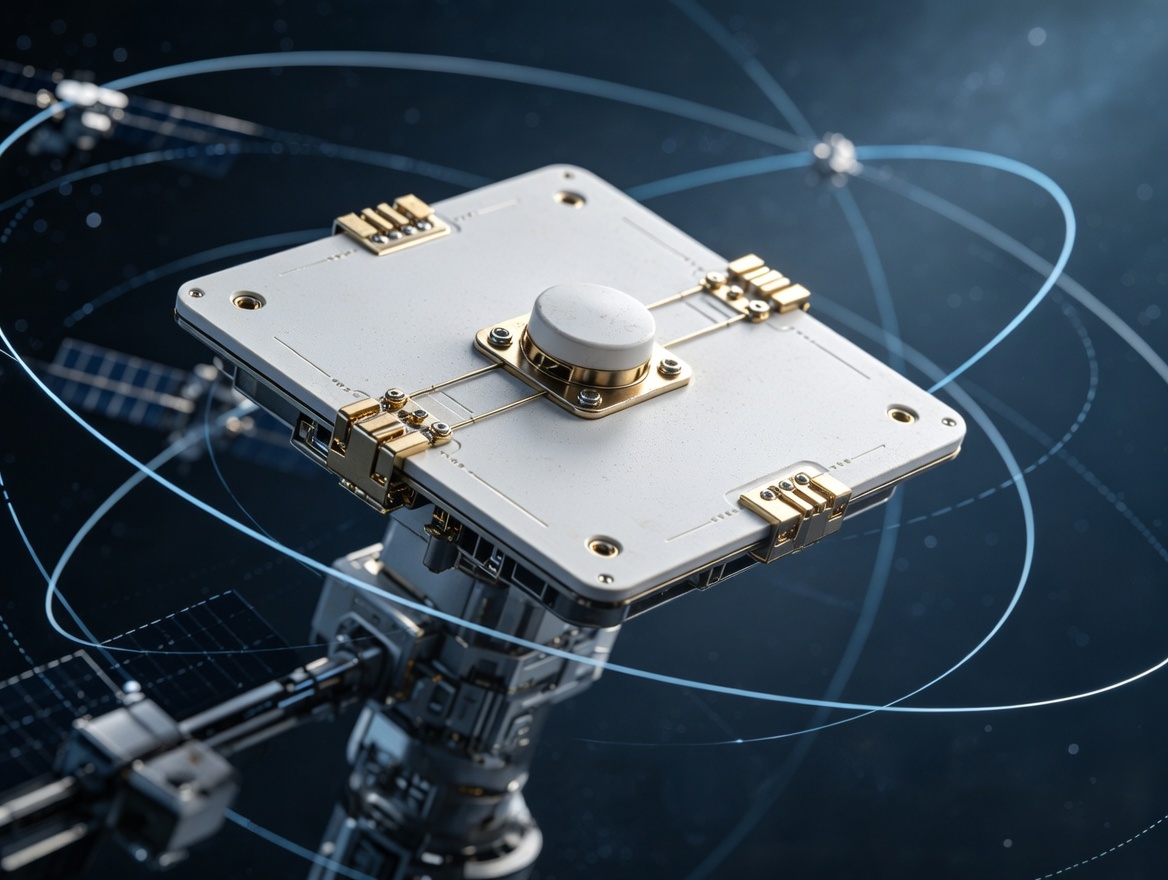
The Unseen Foundation: Why Low-Loss Ceramic Substrates are Crucial for Starlink-Compatible Terminals
Starlink-compatible terminals, often referred to as flat-panel antennas or user terminals, are marvels of modern engineering, designed to provide high-speed, low-latency internet access from space. These terminals employ sophisticated electronic phased array antennas that can dynamically steer beams to track orbiting satellites without any mechanical movement. This advanced functionality, however, places immense demands on the underlying electronic components, particularly the substrate materials used for the antenna arrays and associated RF circuitry. At the heart of these high-performance systems lies the low-loss ceramic substrate, an often-unseen foundation that is absolutely crucial for achieving the required signal integrity, thermal stability, and long-term reliability. Unlike conventional FR4 PCBs, which suffer from significant signal loss and thermal limitations at the gigahertz frequencies used by Starlink (Ku-band: 10.7–14.5 GHz, Ka-band: 17.8–30 GHz), ceramic substrates offer a superior platform. Their unique material properties enable efficient signal transmission, effective heat dissipation, and robust performance in the challenging outdoor environments where these terminals operate. Without these specialized ceramic materials, the promise of ubiquitous, high-speed satellite internet would remain largely unfulfilled, underscoring their foundational importance in the rapidly evolving landscape of satellite communication technology.
Mastering High Frequencies: Dielectric Properties and Signal Integrity
The operational frequencies of Starlink-compatible terminals, spanning the Ku and Ka bands, are exceptionally high, pushing the limits of traditional PCB materials. At these frequencies, signal integrity becomes a paramount concern, directly impacting the terminal's ability to transmit and receive data efficiently. The primary challenge lies in minimizing signal loss, which can occur due to the dielectric properties of the substrate material. Low dielectric loss (tan δ) is a critical characteristic of ceramic substrates, particularly those made from materials like alumina (Al₂O₃) and aluminum nitride (AlN). A low tan δ ensures that less electromagnetic energy is absorbed by the substrate as the signal propagates, leading to significantly reduced signal attenuation and improved power efficiency [1]. This is vital for maintaining a strong signal-to-noise ratio, which is essential for reliable communication with distant satellites.
Equally important is a stable dielectric constant (Dk) across a wide range of operating temperatures. The phased array antennas in Starlink terminals must maintain precise beamforming capabilities, which depend on the consistent electrical length of the transmission lines on the PCB. Fluctuations in the Dk due to temperature changes can alter these electrical lengths, leading to phase errors and degradation of beamforming accuracy. Ceramic substrates exhibit excellent Dk stability, ensuring consistent performance even as the terminal experiences temperature variations from hot summer days to cold winter nights, a common scenario in Germany's diverse climate. This stability allows for predictable and accurate signal routing, which is fundamental for the complex phase shifting required in phased array antennas. Furthermore, the smooth surface finish and tight dimensional tolerances achievable with ceramic substrates enable the fabrication of precise microstrip and stripline geometries, minimizing impedance mismatches and further enhancing signal integrity. For German engineers designing these sophisticated terminals, the superior dielectric performance of ceramic substrates is not merely an advantage; it is a fundamental requirement for achieving the high-bandwidth, low-latency connectivity that Starlink promises.
Thermal Resilience: Managing Heat in Compact Phased Arrays
Beyond their electrical prowess, low-loss ceramic substrates play an equally critical role in managing the thermal challenges inherent in Starlink-compatible terminals. Electronic phased array antennas, especially those operating at high frequencies and processing large volumes of data, generate considerable heat. This heat, if not effectively dissipated, can lead to localized hot spots, reduced component lifespan, and degradation of RF performance. Traditional organic PCB materials like FR4 have relatively poor thermal conductivity, making them unsuitable for the demanding thermal environment of these compact, high-power density antenna arrays. This is where the high thermal conductivity of ceramic substrates, particularly AlN (up to 220 W/m·K) and Al₂O₃ (up to 30 W/m·K), becomes indispensable [2].
These ceramic materials act as efficient heat sinks, rapidly drawing heat away from active components such as RF integrated circuits (RFICs) and power amplifiers, and distributing it across the substrate for more effective dissipation to external cooling mechanisms. This superior thermal management capability ensures that critical components operate within their optimal temperature ranges, thereby enhancing their reliability, extending their operational lifespan, and preventing thermal-induced performance degradation. Moreover, the Coefficient of Thermal Expansion (CTE) of ceramic substrates is closely matched to that of many semiconductor materials (e.g., GaAs, Si), which is crucial for maintaining mechanical integrity during thermal cycling. In outdoor applications, Starlink terminals are exposed to significant temperature swings, and a CTE mismatch between the chip and the substrate can induce mechanical stress, leading to solder joint fatigue, delamination, or even component failure over time. The robust mechanical and thermal properties of ceramic substrates ensure the long-term durability and consistent performance of these terminals, even in the face of Germany's varied weather conditions. This combination of excellent thermal conductivity and CTE matching makes low-loss ceramic substrates the material of choice for ensuring the thermal resilience and reliability of next-generation satellite communication terminals.
Deep Dive: How German Engineers and Procurement Teams Select Ceramic Substrate Suppliers
Germany's reputation for precision engineering and rigorous quality standards extends deeply into its satellite communication sector. When it comes to sourcing critical components like low-loss ceramic substrates for Starlink-compatible terminals, German engineers and procurement teams employ a highly methodical and discerning approach. Their selection process is not merely about finding a supplier; it's about identifying a strategic partner who can consistently deliver materials that meet exacting technical specifications, ensure long-term reliability, and integrate seamlessly into complex supply chains. This section will dissect the multifaceted criteria that influence their decisions, highlighting the blend of technical prowess, quality assurance, and logistical efficiency that defines a preferred supplier in the German market. Understanding these decision points is key for any manufacturer aiming to contribute to Germany's advanced SatCom initiatives.
Engineering Excellence: Precision, Reliability, and Customization
For German engineers working on Starlink-compatible terminals, the technical attributes of low-loss ceramic substrates are paramount. Their primary focus is on precision and performance. They demand substrates with extremely tight dimensional tolerances, superior surface finishes, and consistent material properties (Dk, tan δ) across every batch. This level of precision is non-negotiable for phased array antennas, where even minor variations can lead to significant performance degradation, affecting beamforming accuracy and signal integrity at Ku and Ka bands. Engineers will scrutinize data sheets for detailed specifications, including dielectric constant stability over temperature, thermal conductivity, and mechanical strength, ensuring the material can withstand the harsh thermal cycling and vibrations inherent in satellite terminal operation [3].
Reliability is another cornerstone. German engineering culture emphasizes robust, long-lasting solutions. This translates into a demand for ceramic substrates that demonstrate proven performance in extreme environmental conditions, including wide temperature fluctuations, humidity, and UV exposure, typical of outdoor terminal installations. Suppliers must provide comprehensive testing data, certifications (e.g., ISO 9001, IATF 16949 for automotive-grade reliability, which often translates to high-reliability electronics), and a track record of consistent quality. Furthermore, the ability to offer customization is highly valued. Starlink-compatible terminals often feature unique antenna designs and complex RF layouts. German engineers require suppliers who can not only provide standard ceramic materials but also offer bespoke solutions, including specific substrate thicknesses, complex metallization patterns (e.g., DPC, AMB for high-power RF sections), and multi-layer ceramic structures. This flexibility allows for optimal integration into their innovative designs, pushing the boundaries of what's possible in satellite communication. BSTCERAMICPCB, with its advanced manufacturing capabilities and deep understanding of high-frequency applications, is uniquely positioned to meet these stringent engineering demands, offering tailored low-loss ceramic substrates that empower German innovation.
Procurement Strategy: Total Cost of Ownership, Supply Chain, and Support
German procurement teams, while prioritizing technical excellence, also adopt a holistic approach that extends beyond the unit price of the ceramic substrate. Their focus is on Total Cost of Ownership (TCO). This includes not only the initial material cost but also factors such as yield rates, potential for rework, long-term reliability (reducing warranty claims), and the efficiency of the supply chain. A slightly higher upfront cost for a superior, more reliable ceramic substrate is often justified if it leads to higher production yields, fewer field failures, and ultimately, a lower overall cost for the finished Starlink-compatible terminal. Procurement specialists will evaluate a supplier's quality control processes, manufacturing consistency, and adherence to international standards (e.g., RoHS, REACH) to mitigate risks and ensure long-term value.
Supply chain stability and efficiency are critical. Germany's advanced manufacturing sector relies on predictable and timely delivery of components. Suppliers must demonstrate robust logistics capabilities, clear communication channels, and the ability to manage international shipping effectively to Germany. Any delays or disruptions can have significant ripple effects on production schedules and market entry. Furthermore, comprehensive technical support and responsive communication are highly valued. German procurement teams seek partners who can provide detailed technical documentation, offer expert consultation during the design and prototyping phases, and respond quickly to any technical queries or issues that may arise. This collaborative approach fosters trust and ensures a smoother development and production cycle. BSTCERAMICPCB, with its proven track record, global logistics network, and dedicated technical support team, aligns perfectly with the strategic procurement objectives of German companies. Our commitment to quality, reliability, and customer partnership makes us an ideal choice for German engineers and procurement specialists seeking low-loss ceramic substrates for their next-generation Starlink-compatible terminals, ensuring they can confidently build the future of satellite connectivity.
BSTCERAMICPCB: Your Trusted Partner for German Satellite Communication Innovation
For German engineers and procurement specialists seeking to push the boundaries of satellite communication with Starlink-compatible terminals, selecting the right partner for low-loss ceramic substrates is paramount. BSTCERAMICPCB stands as a leading global manufacturer, uniquely positioned to meet the stringent demands of Germany's advanced SatCom sector. Our extensive experience, cutting-edge manufacturing capabilities, and unwavering commitment to quality make us the ideal choice for projects requiring high-performance ceramic solutions. We understand that in the realm of high-frequency electronics, there is no room for compromise, and our products are engineered to deliver unparalleled signal integrity and thermal management, even in the most challenging environments.
BSTCERAMICPCB specializes in a comprehensive range of ceramic substrate materials, including high-purity Alumina (Al₂O₃) and Aluminum Nitride (AlN), both of which are critical for low-loss applications in Ku and Ka bands. Our substrates are characterized by their exceptionally low dielectric loss (tan δ) and stable dielectric constant (Dk), ensuring minimal signal attenuation and consistent performance across wide temperature ranges. This is crucial for maintaining the precision of phased array antennas and the overall efficiency of Starlink-compatible terminals. We offer advanced metallization technologies such as Direct Plated Copper (DPC) and Active Metal Brazing (AMB), which provide robust electrical interconnections and superior thermal paths, essential for managing the heat generated by high-power RF components. Our manufacturing processes adhere to the highest international standards, ensuring tight dimensional tolerances, excellent surface finishes, and batch-to-batch consistency that German engineers demand.
Beyond our superior product offerings, BSTCERAMICPCB prides itself on being a collaborative and responsive partner. We offer comprehensive technical support, from initial design consultation and material selection to prototyping and mass production. Our team of experts works closely with German engineering teams to understand their specific project requirements, providing tailored solutions that optimize performance and cost-effectiveness. We recognize the importance of a reliable supply chain and are committed to ensuring timely delivery and robust logistics to support Germany's fast-paced technological development. Our dedication to customer satisfaction, combined with our technical prowess and adherence to global quality standards, makes BSTCERAMICPCB the strategic partner of choice for German companies aiming to innovate in the satellite communication space. By choosing us, you are not just acquiring a component; you are gaining a partner dedicated to enabling your success in the future of global connectivity.
Elevate Your Starlink-Compatible Terminal Designs
Partner with BSTCERAMICPCB for cutting-edge low-loss ceramic substrates. Our expert team is ready to support your project from concept to deployment, ensuring superior performance and reliability.
Get Your Custom Quote TodayFAQ: Low-Loss Ceramic Substrates for Satellite Terminals
Here are some frequently asked questions regarding low-loss ceramic substrates for Starlink-compatible terminals, addressing common concerns from German engineers and procurement specialists.
Conclusion: Enabling Germany's Future in Global Satellite Networks
Germany's pursuit of advanced satellite communication capabilities, particularly through Starlink-compatible terminals, underscores a commitment to technological leadership and ubiquitous connectivity. The success of these ambitious projects hinges on the foundational performance of critical components, with low-loss ceramic substrates playing an indispensable role in ensuring signal integrity, thermal stability, and long-term reliability at high frequencies.
BSTCERAMICPCB is dedicated to empowering this future. Our expertise in manufacturing high-performance, customizable ceramic substrates, coupled with our deep understanding of the stringent requirements of the German market, positions us as the ideal partner for innovation in satellite communication. By collaborating with BSTCERAMICPCB, German engineers and procurement specialists gain access to world-class materials and unparalleled technical support, enabling them to design and deploy next-generation Starlink-compatible terminals that will define the future of global connectivity. Together, we can build a more connected and technologically advanced Germany.
Ready to Innovate with Low-Loss Ceramic Substrates?
Don't compromise on performance. Contact BSTCERAMICPCB today to discuss your requirements for Starlink-compatible terminals and accelerate your next-generation satellite communication project.
Start Your Project TodayReferences
- Signal Structure of the Starlink Ku-Band Downlink - University of Texas at Austin
- Ceramic PCB for Power Modules (IGBT) | High-Thermal Management Guide - BSTCeramicPCB
- Ceramic Substrates - Key Components for Electronic - CeramTec
- HTCC Ceramic Substrate PCB Design For Satellite Communication System - BSTCeramicPCB
- What is AlN substrate? - BSTCeramicPCB
- DPC Ceramic PCB - BSTCeramicPCB
- AMB Ceramic PCB - BSTCeramicPCB
- Alumina vs. Aluminum Nitride Ceramic PCBs: Which is Better? - BSTCeramicPCB
- Ceramic PCB Materials, Types, and Advantages - BSTCeramicPCB
- How to Select PCB Manufacturer In Europe? - BestPCBs
 Products
 About us
 Contact us