
























 HOME
HOME


-

Ceramic PCB for Humanoid Robot joint actuators
2026 04,07 -
LTCC PCB Surprises: What Most People Miss
2025 12,09 -
Step-by-Step Guide to DPC PCB Design for Sensor Systems
2025 12,03 -
Ceramic PCBs Essential Benefits and Applications
2025 12,01 -
How Al2O3 DPC Ceramic Substrate PCB Enhances Heat Dissipation in Modern Electronics?
2025 11,28 -
How to Choose Between Ceramic, FR4, and Metal Core PCBs
2025 11,27 -
DPC Ceramic PCB Materials: Surprising Science Inside
2025 11,26 -
Wire bondable 2-layer Alumina substrates PCB | Bstceramic PCB
2025 09,22 -
Silicon Nitride Substrate, Silicon Nitride Ceramic Substrate Formula
2025 05,08 -
What is thick film ceramic PCB?
2023 08,02
Ceramic PCB for Power Modules (IGBT): The Ultimate High-Thermal Management Guide
Published:
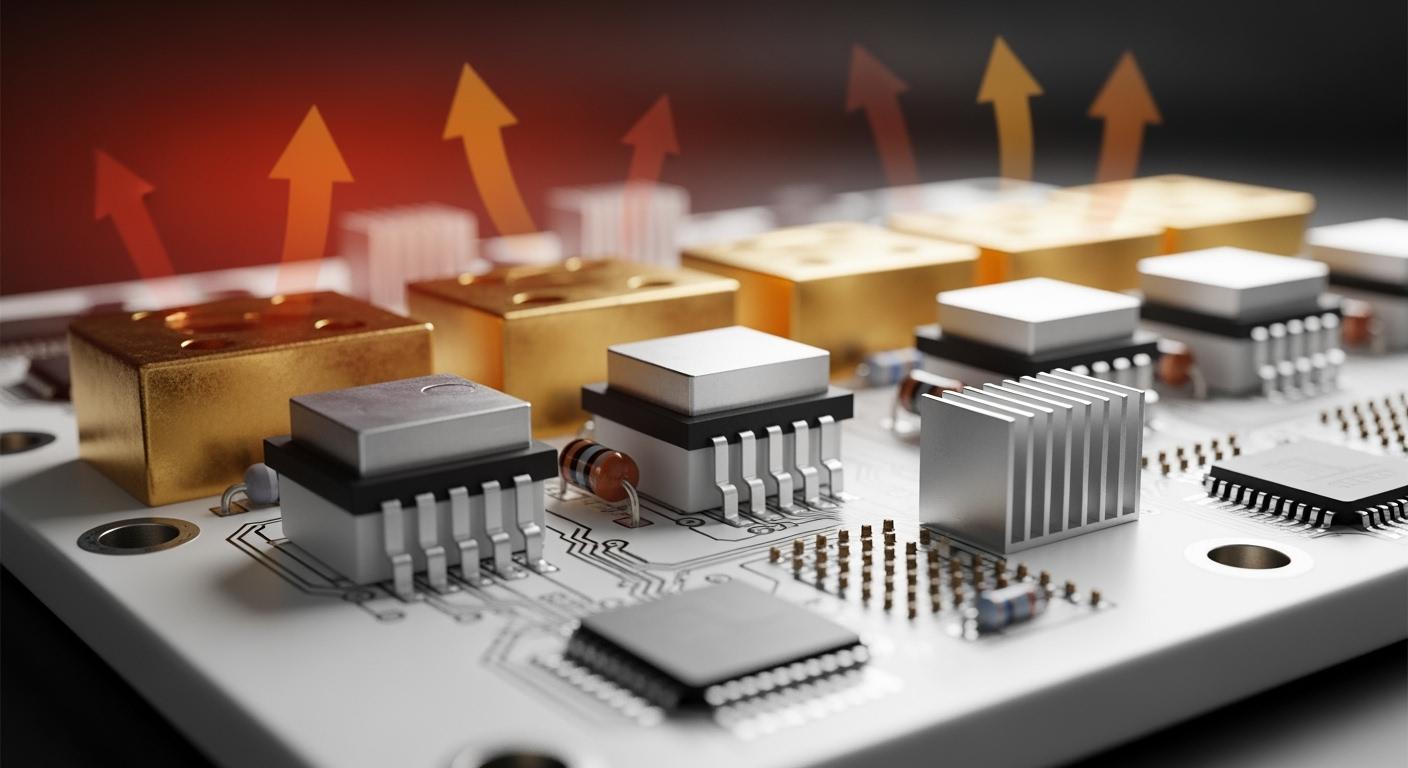
You face increasing demands for efficient thermal management in today’s IGBT power modules. Traditional PCBs, like FR-4, often fail to dissipate heat effectively, risking overheating and reduced reliability. Ceramic PCB for power modules (IGBT) offers a robust solution with outstanding heat transfer and stability. Consider the data below:
| Material Type | Thermal Conductivity (W/mK) |
|---|---|
| Aluminum Nitride (AlN) | 170-230 |
| Aluminum Oxide (Al2O3) | 15-35 |
| FR-4 | 0.25 |
This leap in performance ensures your designs stay cool and dependable, even under demanding conditions.
Key Takeaways
- Ceramic PCBs provide superior thermal management compared to traditional materials like FR-4, ensuring your power modules stay cool and reliable.
- Choosing aluminum nitride (AlN) substrates enhances thermal conductivity, which directly improves the lifespan and performance of IGBT modules.
- Ceramic substrates offer excellent mechanical strength and electrical insulation, making them ideal for harsh industrial environments and high-voltage applications.
- Selecting the right manufacturing process, such as Direct Bonded Copper (DBC) or Active Metal Brazing (AMB), is crucial for optimizing thermal performance and reliability.
- Partnering with a certified supplier ensures high-quality ceramic PCBs that meet industry standards, enhancing the reliability of your power modules.
Why Ceramic Substrates are Indispensable for High-Power IGBT and SiC Applications
When you design power modules like IGBT for demanding environments, you need materials that can handle extreme heat and electrical stress. Traditional PCB materials, such as FR-4, struggle with heat dissipation and often warp or fail under high temperature. Ceramic PCB for power modules (IGBT) solves these problems by offering unmatched thermal management, mechanical strength, and electrical insulation. These properties make ceramic substrates the preferred choice for high-power applications, especially in sectors like automotive, renewable energy, and industrial automation.
Superior Thermal Conductivity: Comparing Alumina ($Al_2O_3$) and Aluminum Nitride (AlN)
Thermal conductivity is a critical factor in the performance and reliability of IGBT modules. You want your ceramic PCB board to transfer heat away from sensitive components quickly and efficiently. Ceramic substrates like alumina and aluminum nitride excel in this area.
Consider the following comparison:
| Material | Thermal Conductivity (W/mK) |
|---|---|
| Alumina (Al₂O₃) | 24-28 |
| Aluminum Nitride (AlN) | 140-180 |
| FR-4 | 0.3 - 0.4 |
Aluminum nitride offers thermal conductivity values up to 180 W/mK, far surpassing alumina and traditional FR-4. This high thermal conductivity allows you to maintain lower operating temperatures, which directly improves the lifespan and reliability of your modules. When you use a ceramic substrate with superior thermal performance, you reduce the risk of overheating and ensure stable operation even under heavy loads.
Tip: For applications that demand the highest thermal management, such as SiC-based power modules, aluminum nitride is often the best choice due to its exceptional heat dissipation capabilities.
Mechanical Strength and Electrical Insulation for Industrial Harsh Environments
In industrial settings, your modules face constant mechanical stress, temperature cycling, and exposure to harsh chemicals. Ceramic substrates, especially those produced through advanced ceramic PCB manufacturing methods like AMB, deliver high mechanical strength. This strength helps your modules resist physical damage and material fatigue, even when exposed to high temperatures and heavy loads.
Ceramic substrates also provide outstanding electrical insulation, which is essential for high-voltage applications. Here’s how they help you maintain safety and reliability:
- Ceramic substrates prevent short circuits by insulating power circuit components.
- Materials like aluminum nitride and silicon nitride combine high thermal conductivity with excellent electrical insulation.
- Their chemical stability and resistance to environmental stress ensure long-term reliability, even in extreme conditions.
You also benefit from several unique advantages over traditional PCB materials:
- Shape stability with minimal warping, thanks to low thermal expansion.
- High current-carrying capacity, allowing your modules to handle more power without excessive temperature rise.
- Stable high-frequency performance, which is crucial for advanced electronic applications.
By choosing ceramic PCB manufacturing for your power modules, you ensure that your IGBT and SiC modules operate safely and efficiently, even in the most demanding environments. This approach not only boosts performance but also extends the service life of your equipment.
Core Technologies: DBC vs. AMB in Ceramic PCB Manufacturing
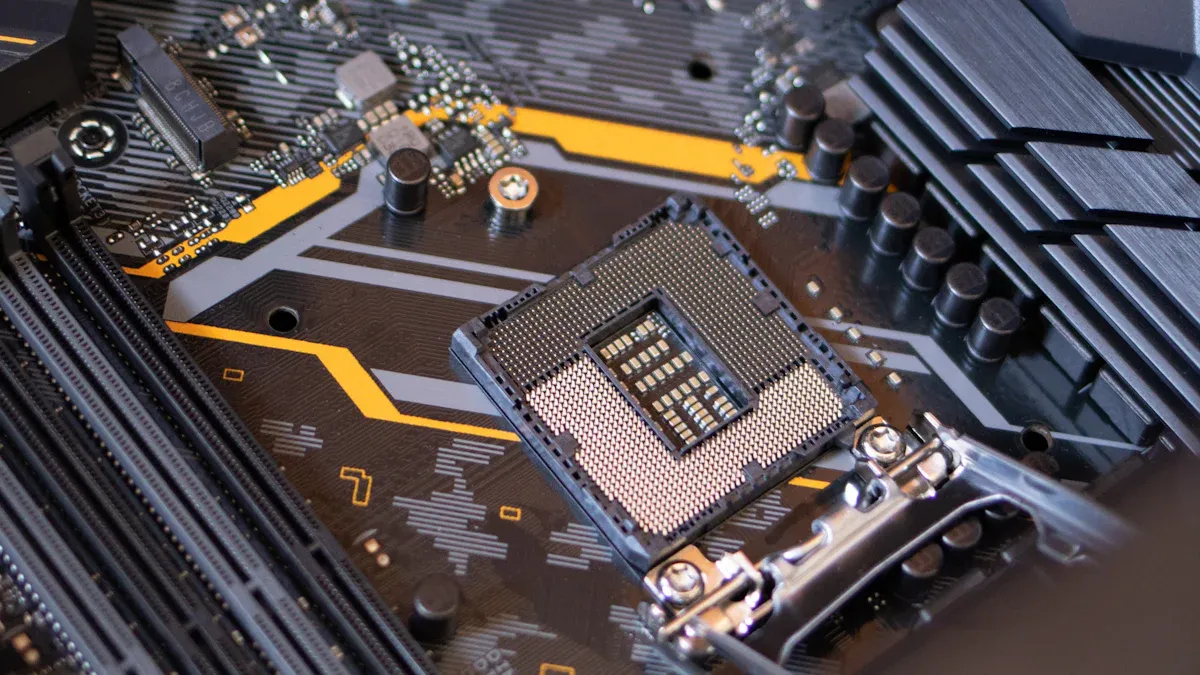
When you select a ceramic pcb for power modules (igbt), you must understand the core technologies that drive performance and reliability. Two leading methods dominate ceramic pcb manufacturing: Direct Bonded Copper (DBC) and Active Metal Brazing (AMB). Each process offers unique advantages for power modules, especially when you need to manage high thermal loads and ensure long-term stability.
Direct Bonded Copper (DBC) for High-Current Power Electronics
DBC technology bonds copper directly to the ceramic substrate, creating a strong and efficient interface. This process supports high-current applications and delivers excellent thermal conductivity. You can see the main differences in manufacturing between DBC and AMB in the table below:
| Feature | DBC Process | AMB Process |
|---|---|---|
| Bonding Method | Direct bonding of copper and ceramics | Brazing with active metal solder |
| Additional Processes | None | Requires additional silk screen process |
| Etching Process | One etching for copper formation | Additional etching to remove solder using hydrofluoric acid |
DBC substrates excel in thermal management and high-temperature stability. You can rely on them for high-power handling capacity and long-term reliability. The table below highlights the key advantages:
| Advantage | Description |
|---|---|
| Exceptional Thermal Management | DBC substrates have superior thermal conductivity, effectively dissipating heat for stable operation under high-power conditions. |
| High Power Handling Capacity | They are capable of handling high-power applications, commonly used in power modules and inverters. |
| High-Temperature Stability | The ceramic materials used are highly resistant to heat, suitable for extreme operating conditions. |
| Reliability and Longevity | DBC substrates improve long-term stability and reliability, extending the lifespan of electronic components. |
You benefit from DBC when you need a ceramic pcb board that maintains performance under demanding conditions.
Active Metal Brazing (AMB) for Silicon Nitride ($Si_3N_4$) and SiC Modules
AMB technology uses active metal solder to bond copper to advanced ceramics like silicon nitride and SiC. This method enhances the mechanical and thermal properties of the substrate. AMB improves thermal stability, especially during repeated temperature cycling. The following table summarizes the impact of DBC and AMB on thermal and electrical performance:
| Technology | Key Findings | Source |
|---|---|---|
| DBC | Excellent electrical and thermal conductivity | Kim et al. (2019) |
| AMB | Improved thermal stability under thermal cycling | Choe et al. (2018) |
Addressing Thermal Cycling Reliability in Automotive Inverters
You face tough challenges in automotive inverters, where modules must survive thousands of thermal cycles. AMB technology forms robust chemical bonds between the ceramic substrate and copper, boosting fracture resistance and power-cycling performance. This process ensures your modules retain good thermal stability beyond 1000 cycles, even with Si3N4 ceramics. You can trust AMB to deliver the reliability and durability required for next-generation electric vehicles and industrial drives.
Note: When you need the highest reliability under extreme temperature changes, AMB with silicon nitride or SiC substrates stands out as the preferred choice in ceramic pcb manufacturing.
Strategic Applications in Germany’s Industry: From EV Inverters to Renewable Energy
E-Mobility: Enhancing Performance in Electric Vehicle Power Trains
You see rapid growth in Germany’s electric vehicle market. This shift demands advanced solutions for power electronics. Ceramic pcb for power modules (igbt) plays a vital role in meeting these demands. You benefit from Low Temperature Cofired Ceramic (LTCC) technology, which enables three-dimensional multilayer wiring. This structure reduces switching losses and improves thermal performance. You achieve higher reliability and efficiency in electric vehicle power trains, especially under high-temperature conditions.
Ceramic substrates also enhance mechanical robustness. When you integrate silicon carbide transistors on a ceramic pcb board, you reduce mechanical stress and improve deformation behavior during heat exposure. This leads to greater reliability and longer service life for your automotive inverters. The fully ceramic SiC power module delivers excellent thermal performance and high reliability. You experience lower switching losses, which extends vehicle range and reduces overall costs.
Renewable Energy: Inverters for Wind and Solar Power Conversion
Germany leads in renewable energy adoption. You rely on advanced ceramic pcb board solutions to ensure stable operation of wind and solar inverters. These applications require robust thermal management and high electrical insulation. Solid Oxide Cells (SOC) and LTCC-based components support energy conversion and storage, making them crucial for renewable systems.
Here are the most common applications in Germany’s EV and renewable energy sectors:
| Application Type | Description |
|---|---|
| Low Temperature Cofired Ceramics (LTCC) | Used for producing integrated ceramic PCBs, components, and sensors, suitable for harsh conditions and high frequencies. |
| Solid Oxide Cells (SOC) | Operate as electrolyzers for energy conversion and storage, crucial for renewable energy systems like wind and solar. |
You gain stable performance and long-term reliability by choosing ceramic pcb board solutions for these demanding environments. This approach ensures your power modules operate efficiently, even under extreme temperature and load variations.
Quality Assurance: Meeting German Engineering Standards at BST Ceramic PCB
IATF 16949 and ISO 9001: Global Certifications for the Automotive Supply Chain
You need to trust that your ceramic pcb for power modules (igbt) meets the highest standards in the automotive industry. At BST Ceramic PCB, you benefit from strict quality management systems. Certifications like IATF 16949 and ISO 9001 ensure that every ceramic pcb board follows rigorous process controls and traceability. These certifications help you achieve reliable performance in demanding automotive supply chains.
You can see how these certifications impact reliability:
| Certification | Impact on Reliability |
|---|---|
| IATF 16949 | Ensures adherence to quality management systems |
| ISO 9001 | Guarantees process controls for maintaining integrity |
| AS9100 | Adds aerospace quality standards |
You also gain confidence from compliance with international standards such as UL and IPC Class 2 & 3. BST Ceramic PCB uses advanced inspection methods, including electrical tests, Automated Optical Inspection (AOI), and X-ray checks. These steps help you avoid defects and ensure consistent quality.
Quality checks cover every detail:
- Mechanical defects: cracks, micro cracks, flaking, chipping, scratches, particles, sinter residues, inclusions, bubbles, discoloration
- Geometry measurement: flatness, apertures, dimensions, completeness
- Multilayer ceramic defects: detected using thermography
- Print layout: structure, width, short circuits
- Bonded electronic components: arrangement, completeness
- Functional test: components tested using thermography
Custom Prototyping and Fast Lead Times for the European Market
You need fast and flexible solutions for your power projects. BST Ceramic PCB offers custom prototyping and short lead times, which help you stay ahead in the European market. You receive same-day offers and express shipping, so you can move quickly from design to production.
Here are the main benefits you experience:
| Benefit Type | Description |
|---|---|
| Fast | Consistently short delivery times, same day offers, and express shipping |
| Versatile | Broad manufacturing range, including prototyping and access to 300+ materials |
| Reliable | Unlimited production capacity, low complaint rate, and ISO 9001 certified quality management |
You can choose from a wide range of materials and manufacturing options. This flexibility supports your unique thermal and electrical requirements. With BST Ceramic PCB, you reduce downtime and improve the reliability of your power modules.
Tip: Fast prototyping and reliable delivery help you respond quickly to market changes and customer needs.
Applications of Ceramic PCB Boards in Power Modules
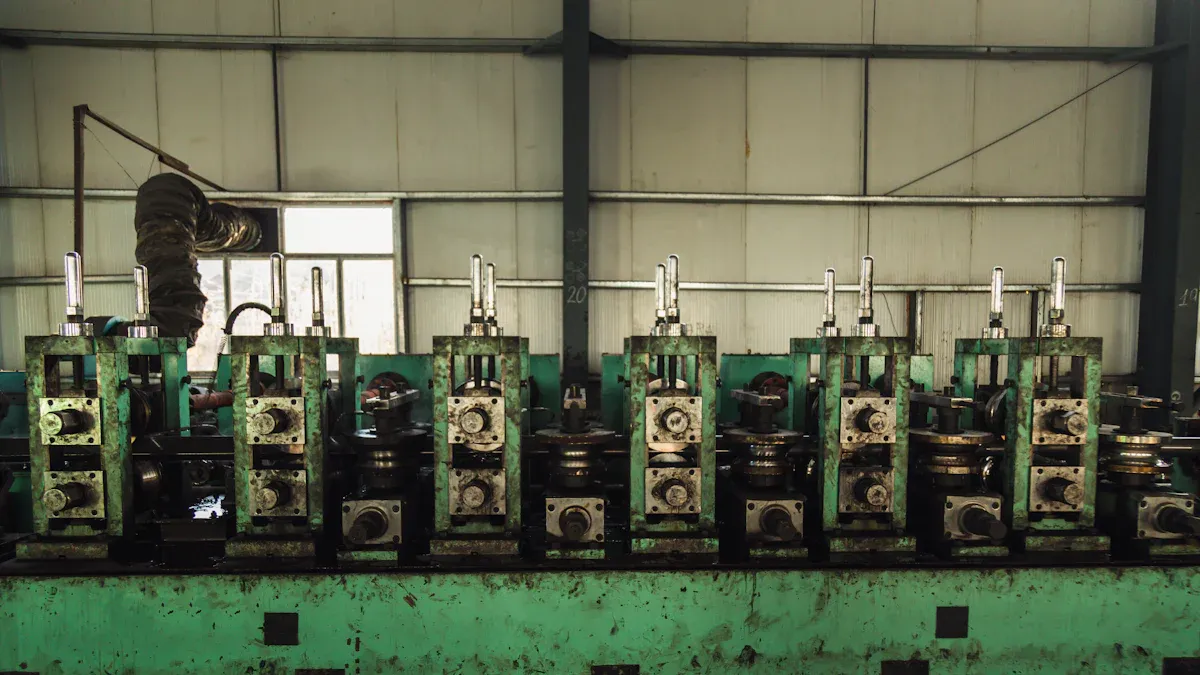
You see ceramic PCB for power modules (IGBT) used across many industries. These boards set a proven standard for power electronics, especially where you need strong thermal dissipation and high reliability. The main application areas include automotive, industrial, and renewable energy sectors. You can review the table below for a quick overview:
| Application Area | Description |
|---|---|
| Automotive | Proven standard for power electronics modules due to excellent thermal conductivity. |
| Industrial | Widely used in power electronics modules for handling extreme conditions. |
| Renewable Energy | Essential for power conversion in renewable energy systems. |
Power modules play a key role in modern electronic power conversion. You rely on them in e-mobility, industrial drives, and renewable energy systems. These modules manage extreme currents and maintain effective thermal management, even under high temperature.
Automotive IGBT Modules
You use IGBT modules in electric vehicles and hybrid cars. Ceramic PCB boards help you achieve efficient thermal dissipation, which keeps your modules cool during rapid acceleration and braking. This technology supports high switching speeds and stable operation. You also benefit from excellent electrical insulation, which protects your system from short circuits. As a result, you see improved reliability and longer service life for your automotive power electronics.
Industrial Drives and Inverters
You depend on industrial drives and inverters to control motors and manage energy in factories. Ceramic PCB boards handle high currents and frequent temperature changes. Their high mechanical durability ensures your equipment runs smoothly, even in harsh environments. You can also miniaturize your modules, which saves space and reduces weight in your systems.
Renewable Energy and High-Power Systems
You find ceramic PCB boards essential in renewable energy and high-power systems. These boards offer superior thermal conductivity, excellent electrical insulation, and high mechanical durability. You can use thick copper layers to increase thermal mass and lower resistance. Thermal vias conduct heat directly from components to heat sinks. Metal core PCBs spread heat effectively, which keeps your system stable. You achieve efficient power conversion and stable operation, even under demanding conditions.
Tip: When you choose ceramic PCB boards for your power modules, you ensure reliable performance and long-term stability in every application.
Performance and Reliability Considerations
Impact of Material and Process Choices
You make critical decisions when selecting materials and processes for your power modules. The choice of ceramic substrate, such as alumina or aluminum nitride, directly affects thermal management and long-term reliability. These materials offer higher thermal conductivity and elastic modulus than traditional laminates. As a result, your modules experience minimal deformation during temperature cycling. This stability is essential for applications where you expect frequent heating and cooling cycles. However, the rigidity of ceramic substrates can introduce mechanical stress if you do not design routing carefully. Microcracks may form, which can compromise reliability over time. You must balance mechanical and thermal performance to ensure your modules operate safely and efficiently.
Note: Careful design and material selection help you avoid common pitfalls and extend the lifespan of your power electronics.
Balancing Cost, Performance, and Safety
You face important trade-offs when choosing ceramic PCBs for demanding environments. Consider the following factors to achieve the best balance:
- LTCC PCBs require a higher initial investment, but they deliver superior thermal conductivity and mechanical resilience.
- These boards work best in high-stress environments where performance cannot be compromised.
- Integrating passive components on the board reduces assembly complexity and saves valuable space.
- Early engagement in the design phase allows you to optimize both performance and cost.
You should always evaluate your application’s requirements before making a final decision. Prioritizing safety and reliability ensures your power modules perform well under all conditions.
Selecting the Right Ceramic PCB for Power Modules (IGBT)
Choosing the right ceramic PCB for your IGBT power modules can make or break your project’s success. You need to balance performance, reliability, and cost while ensuring your modules withstand demanding environments. This section guides you through the essential criteria and common pitfalls so you can make informed decisions and achieve the best results in high-power applications.
Key Criteria for Engineers and Managers
When you select a ceramic PCB for power modules, you must evaluate several critical factors. These criteria help you ensure your design meets both technical and business goals:
-
Thermal Performance
You want a substrate that dissipates heat efficiently. High thermal conductivity prevents overheating and extends module life. For high-power pcb designs, aluminum nitride and silicon nitride substrates often deliver the best results. -
Electrical Insulation and Signal Integrity
You need strong electrical insulation to prevent short circuits and maintain safety. High signal integrity ensures your modules operate reliably, even at high frequencies. -
Mechanical Strength and Temperature Stability
Your modules must survive mechanical stress and repeated temperature cycling. Choose materials and processes that resist cracking and warping. -
Manufacturing Capabilities and Assembly
Evaluate the ceramic pcb manufacturing capabilities of your supplier. Advanced ceramic pcb assembly processes, such as DBC and AMB, support complex layouts and high-current demands. -
Supplier Quality and Certifications
Work with a high-quality ceramic pcb board manufacturer that holds certifications like ISO 9001 and IATF 16949. These standards guarantee process integrity and consistent product quality. -
Customization and Turnkey Solutions
You may need custom layouts or rapid prototyping. A turnkey ceramic pcb manufacturer can streamline your workflow and reduce lead times.
Tip: Always request detailed technical data and sample boards before committing to large-scale production. This step helps you verify performance and compatibility with your applications.
| Criteria | Why It Matters | What to Look For |
|---|---|---|
| Thermal Conductivity | Prevents overheating, boosts reliability | AlN, Si₃N₄ substrates, DBC/AMB processes |
| Electrical Insulation | Ensures safety and signal integrity | High dielectric strength, low loss tangent |
| Mechanical Strength | Withstands stress and temperature cycling | High flexural strength, low CTE |
| Manufacturing Capability | Supports complex, high-power designs | DBC, AMB, multilayer options |
| Supplier Quality | Guarantees product integrity and traceability | ISO/IATF certifications, inspection reports |
| Customization | Meets unique design and assembly needs | Prototyping, turnkey services |
Common Pitfalls and How to Avoid Them
Even experienced engineers can encounter challenges when specifying ceramic PCBs for high-power modules. You can avoid costly mistakes by staying alert to these common pitfalls:
-
Underestimating Thermal Loads
If you misjudge the heat generated in your module, you risk premature failure. Always use accurate simulations and consider worst-case scenarios. -
Ignoring Assembly Constraints
Some ceramic pcb assembly processes require special handling. Failing to account for these needs can lead to defects or delays. -
Overlooking Supplier Integrity
Not all suppliers deliver consistent quality. Choose partners with proven track records and transparent quality control. -
Neglecting Application-Specific Requirements
Each application has unique demands. For example, automotive modules face more temperature cycling than industrial drives. Match your material and process choices to your specific use case. -
Compromising on Signal Integrity
Poor layout or material selection can degrade signal integrity, especially in high-frequency or high-power environments.
⚠️ Note: Always review your supplier’s ceramic pcb manufacturing documentation and request process validation data. This practice helps you catch issues early and ensures your modules meet all reliability targets.
You can also benefit from working with a supplier that offers comprehensive ceramic pcb manufacturing and assembly services. This approach streamlines your workflow and reduces the risk of miscommunication. When you partner with a turnkey ceramic pcb manufacturer, you gain access to expert guidance and faster project turnaround.
By following these guidelines, you ensure your high-power modules deliver reliable performance in all applications. You protect your investment and maintain the integrity of your systems, even under extreme temperature and load conditions.
Ceramic PCB boards give you superior thermal management, reliability, and electrical insulation for IGBT power modules. You improve performance by selecting the right materials and manufacturing methods. For best results, consider these factors:
- Match material properties to your frequency and thermal needs.
- Choose proper thickness and copper weight for strength and impedance.
- Check moisture absorption and regulatory compliance.
- Use industry standards for reliability.
Consult with experienced suppliers to ensure your solution fits your application.
FAQ
What makes ceramic PCBs better for IGBT power modules than standard FR-4 boards?
You get much higher thermal conductivity with ceramic PCBs. This means your modules stay cooler and last longer. Ceramic substrates also resist warping and provide better electrical insulation than FR-4.
Can you use ceramic PCBs in high-vibration or harsh industrial environments?
Yes. Ceramic PCBs offer strong mechanical strength and chemical resistance. You can rely on them in environments with vibration, dust, or temperature swings. They maintain performance where standard boards might fail.
How do you choose between DBC and AMB ceramic PCB manufacturing?
You should consider your application’s thermal cycling needs.
- Use DBC for high-current, stable environments.
- Choose AMB for modules facing frequent temperature changes, like automotive inverters.
Are ceramic PCBs more expensive than traditional PCBs?
Ceramic PCBs usually cost more upfront. However, you save money over time because they last longer and reduce cooling needs.
Investing in ceramic PCBs often lowers your total cost of ownership.
What certifications should you look for in a ceramic PCB supplier?
You should check for ISO 9001 and IATF 16949 certifications. These standards ensure quality and traceability.
| Certification | Why It Matters |
|---|---|
| ISO 9001 | Quality management |
| IATF 16949 | Automotive reliability |
 Products
 About us
 Contact us