












































 HOME
HOME


-

Ceramic PCB for Humanoid Robot joint actuators
2026 04,07 -
LTCC PCB Surprises: What Most People Miss
2025 12,09 -
Step-by-Step Guide to DPC PCB Design for Sensor Systems
2025 12,03 -
Ceramic PCBs Essential Benefits and Applications
2025 12,01 -
How Al2O3 DPC Ceramic Substrate PCB Enhances Heat Dissipation in Modern Electronics?
2025 11,28 -
How to Choose Between Ceramic, FR4, and Metal Core PCBs
2025 11,27 -
DPC Ceramic PCB Materials: Surprising Science Inside
2025 11,26 -
Wire bondable 2-layer Alumina substrates PCB | Bstceramic PCB
2025 09,22 -
Silicon Nitride Substrate, Silicon Nitride Ceramic Substrate Formula
2025 05,08 -
What is thick film ceramic PCB?
2023 08,02
Beyond Reliability: Navigating Ceramic Circuit Board Quality Standards for the European High-Tech Sector
Published:
Beyond Reliability: Navigating Ceramic Circuit Board Quality Standards for the European High-Tech Sector
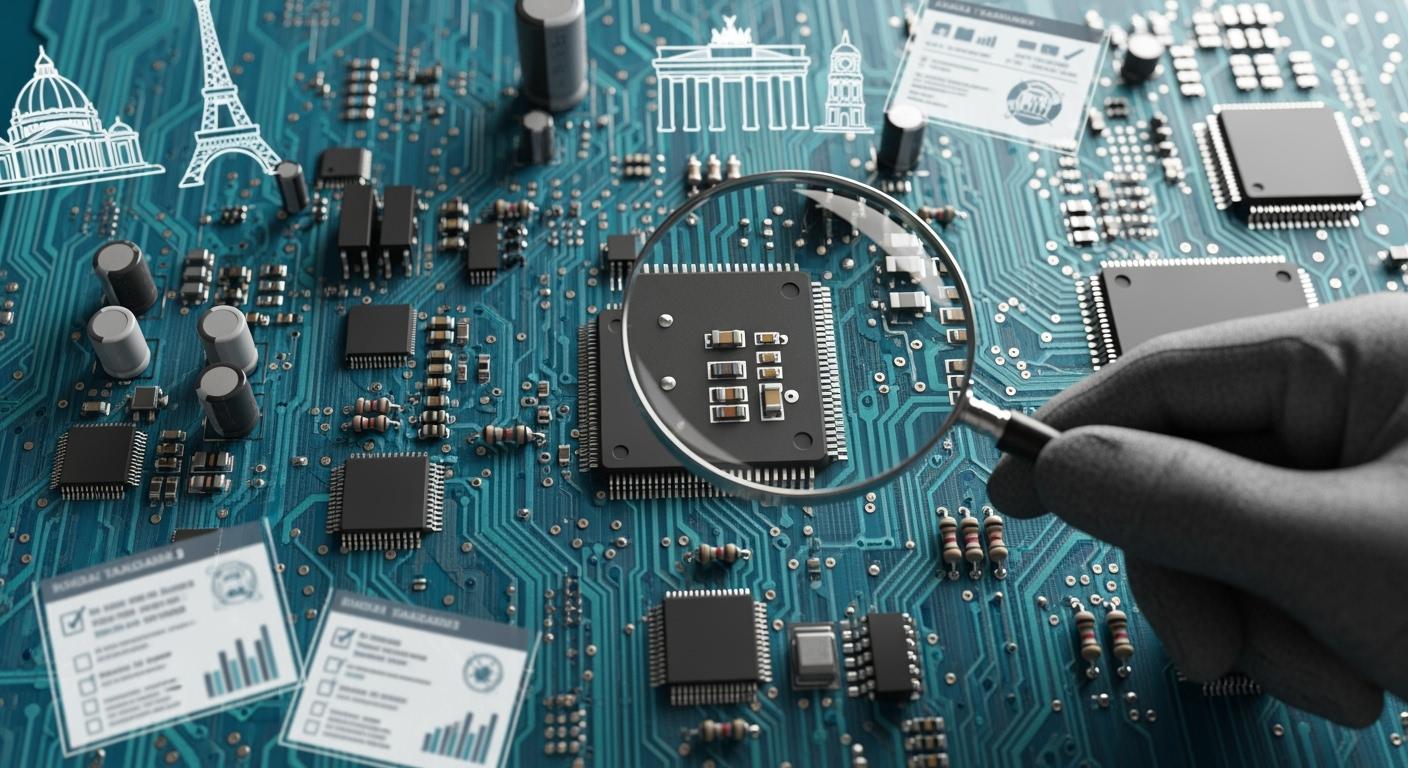
You have new problems because the industry wants better ceramic circuit boards. Quality is more than just working well. Special materials and careful ways help make better printed circuit boards. You need to follow rules to meet tough European standards. Careful pcb testing keeps your good name and helps your products get noticed. Here, you must pay attention to pcb quality and special testing for the industry.
Key Takeaways
- Follow European quality rules to keep things safe. This helps protect your company’s good name. Following the rules makes customers trust you.
- Pick the right IPC class for your ceramic circuit board. Class 3 is needed for electronics that must work very well. These boards need lots of testing.
- Test your boards often for thermal conductivity and dielectric integrity. Testing makes sure your boards work well and stay safe.
- Keep clear records for every step you take. Good notes help you pass checks and fix problems fast.
- Learn about new industry rules and change your ways if needed. This helps your business stay strong and follow the rules.
Why Ceramic Circuit Board Quality Standards are Non-Negotiable in Europe
You work in a place where small things matter a lot. In Europe, you must follow pcb quality standards. These rules keep your products safe and protect your reputation. They also help you obey strict laws. When you use these standards, you show customers you care about safety and quality.
The IPC Framework and European Compliance
You need to know about the IPC framework to do well in Europe. IPC makes the main rules for printed circuit boards. These rules help you check the quality of your ceramic circuit board from start to finish. IPC puts products into three groups. Each group has a different level of reliability and strength.
| IPC Class | Description |
|---|---|
| Class 1 | General Electronic Products: Good for simple items like remote controls and toys. |
| Class 2 | Dedicated Service Electronics: Used for products that need to work well but are not critical. |
| Class 3 | High-Reliability Electronics: Needed for important systems like life support and flight controls. |
You must pick the right group for your product. If you make high-reliability electronics, you need Class 3. This group needs the most testing and certification. You also have to follow European pcb quality standards. These include ISO 13485 for medical devices, EN 50155 for trains, and AS/EN 9100 for airplanes. The table below shows which rules each sector needs.
| Sector | Relevant Regulations |
|---|---|
| Medical & Healthcare | ISO 13485:2021, MDR (EU Regulation 2017/745) |
| Railways & Transport | EN 50155:2017 |
| Avionics & Aerospace | AS/EN 9100:2018 |
| Automation & Energy | IEC 60601-1:2005+A1:2012 |
| High-Tech Mobility | N/A |
You must prove you follow these rules to sell your products. Certification checks your work and your paperwork. You cannot skip this step if you want to sell in Europe.
Tip: ESA qualification is very important for aerospace and defense. This shows your pcb meets the highest safety and reliability standards.
Thermal Conductivity and Dielectric Integrity
You need to check thermal conductivity and dielectric integrity. These things affect how your ceramic circuit board works and stays safe. High thermal conductivity helps your pcb deal with heat. Good dielectric integrity keeps your circuits safe from electrical problems. You must test these things while making your boards.
The table below shows important dielectric properties for ceramic printed circuit boards:
| Property | Value |
|---|---|
| Dielectric Constant (Dk) | 3.48 |
| Dissipation Factor (tan δ) | 0.0037 at 10 GHz |
You must keep the dielectric constant low. This helps your pcb work well with high frequencies. A low dissipation factor means less energy is lost. You need both for high-reliability electronics.
You should use special tests to check these values. Regular checks help you find problems early. This keeps your products safe and working well.
Thermal Conductivity and Dielectric Integrity
You cannot forget about compliance in Europe. You must follow strict rules for every step, from picking materials to final tests. You need to write down every process. This helps you pass checks and keep your certification.
You should work with suppliers who know European rules. They must track materials from start to finish. This helps your certification and builds trust with customers.
You must change your methods when rules change. The industry changes quickly. You need to keep up to stay ahead.
Note: Good records and regular tests help you succeed for a long time in Europe.
Advanced Manufacturing: Where Accuracy Meets Material Science
DPC and AMB: Built for Tough Jobs
You have to pick the best technology for your needs. Direct Plated Copper (DPC) and Active Metal Brazing (AMB) are important in making advanced ceramic circuit boards. DPC lets you put copper patterns on ceramic bases very accurately. This is good for high-frequency and power electronics. DPC gives strong sticking power and thin lines. These help your pcb work well in hard jobs.
AMB uses a special way to join copper to ceramic. This makes a strong and steady connection. You find AMB in electric cars, airplanes, and big power machines. AMB works well when there is a lot of heat and stress. You can count on AMB when your pcb must last in tough places.
Tip: Always pick the right technology for where your product will be used. DPC is best for high-frequency needs. AMB is better for high-power and hot places.
Surface Finish and Solderability Rules
You need to care about surface finish and solderability. These things change how your pcb works and how long it lasts. A good surface finish keeps copper from rusting. It also helps you make strong solder joints. You can pick finishes like ENIG, OSP, or silver.
| Surface Finish | Key Benefit | Common Use Case |
|---|---|---|
| ENIG | Very flat surface | High-reliability pcb |
| OSP | Good for the environment | Consumer electronics |
| Silver | Great for carrying power | Power modules |
You should follow IPC-6012DA and IEC 61189-5-1 rules for soldering. These rules stop weak joints and problems. Always test your boards for how well solder sticks and how strong the joints are.
Good soldering means you fix less and your products work better.
Strategic Integration: Ceramic PCBs in the Evolution of Green Energy
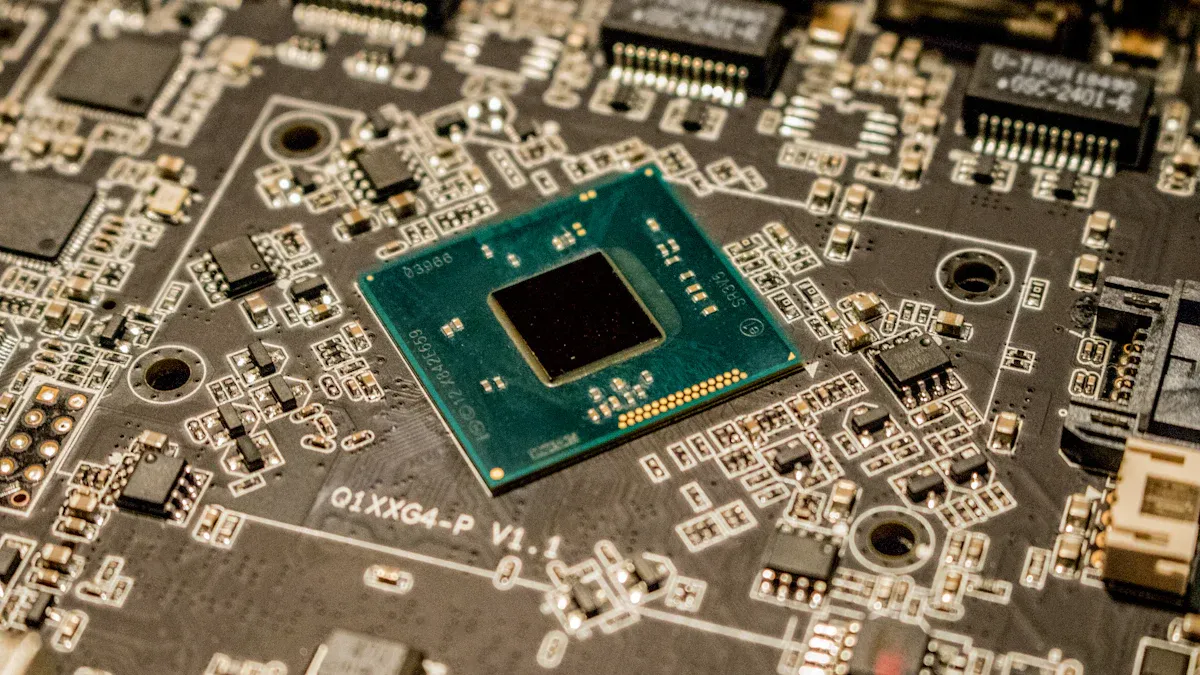
Powering the Lithium Polymer Battery Revolution
The energy sector is changing quickly. Lithium polymer batteries power electric vehicles and drones. They also help backup systems work. You need ceramic circuit board technology to keep up. These boards help batteries stay cool and last longer. They can handle high currents and tough jobs.
You must follow strict rules when you design printed circuit boards for batteries. These rules protect your products from breaking. They also help you meet what customers want. You need to check every step, from picking materials to putting everything together. You should use advanced tests to check durability and performance.
There are many compliance challenges in this field. Each job has its own rules. For example, cars need AEC-Q200. You must use labs that are accredited for testing. If you skip certification, you could lose a lot if your product fails. Some companies make mistakes by using the wrong rules or not testing enough.
Here is a quick look at common compliance challenges:
| Compliance Challenge | Description |
|---|---|
| Industry-Specific Standards | Different jobs need special standards (like AEC-Q200 for cars). |
| Rigorous Testing Requirements | Important tests check performance and stop failures. |
| Certification Necessity | Skipping certification can cost a lot if products break. |
| Common Mistakes in Testing | Not enough testing or wrong standards can cause failures. |
| Importance of Accredited Labs | Labs without accreditation can give bad results and waste money. |
Tip: Always check the newest pcb quality standards before starting a project. This helps you avoid expensive mistakes.
Wholesale Reliability for Industrial Storage
Factories, data centers, and power plants need strong energy storage. Ceramic circuit board solutions give you safety and durability. These boards resist heat and chemicals. They keep systems working in tough places.
You must focus on compliance and keeping records. You need clear records for every step. This helps you pass checks and keep your certification. You should add your records to your current systems. This makes it easy to track changes and show you follow the rules.
Follow this simple guide to keep compliance:
- Find all standards for your job.
- Pick suppliers who track materials.
- Use accredited labs for testing.
- Keep records of every step and test.
- Update your methods when rules change.
You must test your pcb for strength and performance. Use both basic and advanced tests. This makes sure your products are top quality.
Good records and regular checks help you stay ahead. You build trust with customers and avoid expensive recalls.
You see that using ceramic circuit boards in green energy needs more than good products. You need strong compliance, good testing, and clear records. This keeps your business ready for the future and helps you compete.
How to Audit a High-Tech Ceramic PCB Supplier
Traceability from Raw Powder to Finished Board
You need to check every step when you audit a ceramic circuit board supplier. Start with the raw powder. Make sure the supplier tracks all materials from the beginning. This helps you meet compliance and keeps your products safe. You want to see clear records for each batch. Good traceability means you can find problems fast if something goes wrong.
You should ask for a full material history. This includes where the powder came from, how the supplier stored it, and how they used it in production. You want to see that the supplier follows industry standards at every step. This builds trust and helps you meet pcb quality standards.
Testing Protocols: Beyond the Data Sheet
You cannot rely only on data sheets. You need to use strong ceramic pcb testing to check real performance. Follow these steps to audit your supplier for European standards:
- Define certification goals. Pick the right standards and critical ceramic pcb testing.
- Prepare samples. Make sure you have enough samples in good condition.
- Choose an accredited lab. Pick a lab with the right skills for ceramic pcb testing.
- Execute tests and analyze results. Focus on the most important ceramic pcb testing and keep good records.
- Fix defects and re-test. If you find problems, fix them and repeat ceramic pcb testing.
- Obtain certification and maintain compliance. Get your certification and keep doing ceramic pcb testing over time.
You need to check more than just the basics. Use practical testing methods like thermal shock, high-voltage breakdown, and microsection analysis. These testing methods show how advanced materials improve reliability in printed circuit boards. You want to see that the supplier uses the best methods for ceramic pcb testing. This keeps your pcb strong and ready for the industry.
Tip: Good ceramic pcb testing helps you avoid recalls and keeps your products safe.
Avoiding Common Pitfalls In Quality Assurance
Overlooking Regional Regulations
You need to follow rules for each country in Europe. Some countries have special rules that are stricter than others. If you ignore these rules, you might not be able to sell your products. Your company’s reputation could get hurt. Always look up the newest standards for your market. Work with people who know European compliance well. This helps you avoid mistakes and keeps your pcb ready for checks.
Inadequate Testing Practices
You should never skip important tests. Many problems happen when companies do not test enough or use wrong methods. Here are some common issues:
- Bad testing can cause big failures in cars, medical devices, and airplanes.
- 40% of ceramic pcb problems come from not testing enough or missing certification.
- Some companies only check electrical parts, use easy standards for hard jobs, or skip third-party checks.
Always use labs that are approved and test many samples. Add tests for the environment and reliability. This makes sure your pcb meets all the rules. Good testing keeps your products safe and high quality.
Poor Documentation
Keeping good records is very important for quality. If your records are bad, you can have big problems. You might not pass checks, and you can lose track of your products. This can hide defects and cause more failures. The table below shows how bad records can hurt your business:
| Issue | Impact on Compliance |
|---|---|
| Incomplete documentation | More risk with rules |
| Hard to fix problems | Trouble following standards |
| No traceability | Lower product safety and quality |
Always keep clear records for every step. This helps you fix problems fast and shows you follow all the rules.
Real-World European Case Studies
You can learn from real stories in Europe. The table below shows how companies solved problems and got better results:
| Case Study | Challenge | Fixes | Results |
|---|---|---|---|
| EV Inverter Ceramic PCBs | Boards broke after 500 heat cycles | Improved bonding, added thermal vias | Passed AEC-Q200, fewer failures, $300k saved |
| Medical Implant PCBs | Failed safety tests | Used gold conductors, added ZrO₂ coating | Passed ISO 10993, FDA approval, saved $2M |
| Aerospace Sensor PCBs | Failed radiation tests | Added gold plating, used new conductors | Passed radiation test, perfect mission |
You see that following rules, using strong tests, and keeping good records can save money and make products better. Use these examples to avoid mistakes in your own work.
Conclusion: Elevating European Engineering Standards
Strong standards are very important in Europe’s high-tech industry. Picking the right ceramic circuit board helps your products stand out. You keep your brand safe and meet what the market wants. You must follow strict standards at every step. This means during design, making, and testing. If you ignore quality, you cannot be a leader.
Quality assurance helps your business grow. Good records and regular tests help you spot problems early. Showing proof of compliance builds trust with customers. You also lower the chance of recalls and failures. Companies that care about quality and safety do better in the industry.
Remember: Standards are more than rules. They help you make better products and build a stronger business.
Here are steps to help you prepare for the future:
- Check new standards every year.
- Teach your team the newest quality assurance methods.
- Pick suppliers who track materials well.
- Test every pcb batch with advanced methods.
- Keep clear records for each process.
You need to pay attention as the industry changes. New rules and technologies come up often. You must adapt fast to stay ahead. Focusing on quality helps raise standards across Europe.
To be a leader, you need to do more than just follow rules. Set higher goals for quality and reliability. Your focus on standards will help shape the future of Europe’s high-tech industry.
You help make ceramic pcb solutions better in Europe. You should use good tests, keep clear records, and change your ways when needed. This helps you stay ahead.
Taking action early stops big mistakes and helps customers trust you.
- Look at the rules every year
- Teach your team about new rules
- Check if suppliers follow the rules
Doing these things keeps your business strong and helps you compete.
FAQ
What makes ceramic circuit boards better for high-tech applications?
Ceramic circuit boards can handle heat very well. They do not get damaged by chemicals. This means they last longer and work better. You see them used in tough jobs like aerospace, cars, and green energy.
How do you verify a supplier’s compliance with European standards?
You should ask for certificates and audit papers. Make sure the supplier tracks all materials. Check if they use labs that are approved. Good suppliers show clear records for every step.
Why is regular testing important for ceramic PCBs?
Testing often helps you find problems early. This stops expensive recalls and keeps products safe. It also helps you follow strict European quality rules.
What documentation should you keep for compliance?
Keep records about where materials come from. Save test results and any changes in your process. Use tables or digital logs to track everything. Good records help you pass checks and fix problems fast.
Can you use ceramic PCBs in medical devices?
Yes, you can use ceramic PCBs in medical devices. You must follow ISO 13485 and MDR rules. These boards are safe and reliable for important healthcare equipment.
 Products
 About us
 Contact us