






































 HOME
HOME

-

Ceramic PCB for Humanoid Robot joint actuators
2026 04,07 -
LTCC PCB Surprises: What Most People Miss
2025 12,09 -
Step-by-Step Guide to DPC PCB Design for Sensor Systems
2025 12,03 -
Ceramic PCBs Essential Benefits and Applications
2025 12,01 -
How Al2O3 DPC Ceramic Substrate PCB Enhances Heat Dissipation in Modern Electronics?
2025 11,28 -
How to Choose Between Ceramic, FR4, and Metal Core PCBs
2025 11,27 -
DPC Ceramic PCB Materials: Surprising Science Inside
2025 11,26 -
Wire bondable 2-layer Alumina substrates PCB | Bstceramic PCB
2025 09,22 -
Silicon Nitride Substrate, Silicon Nitride Ceramic Substrate Formula
2025 05,08 -
What is thick film ceramic PCB?
2023 08,02
The Ultimate Guide to Ceramic PCB Air Tightness: Ensuring Hermetic Reliability for High-Performance Electronics in North America
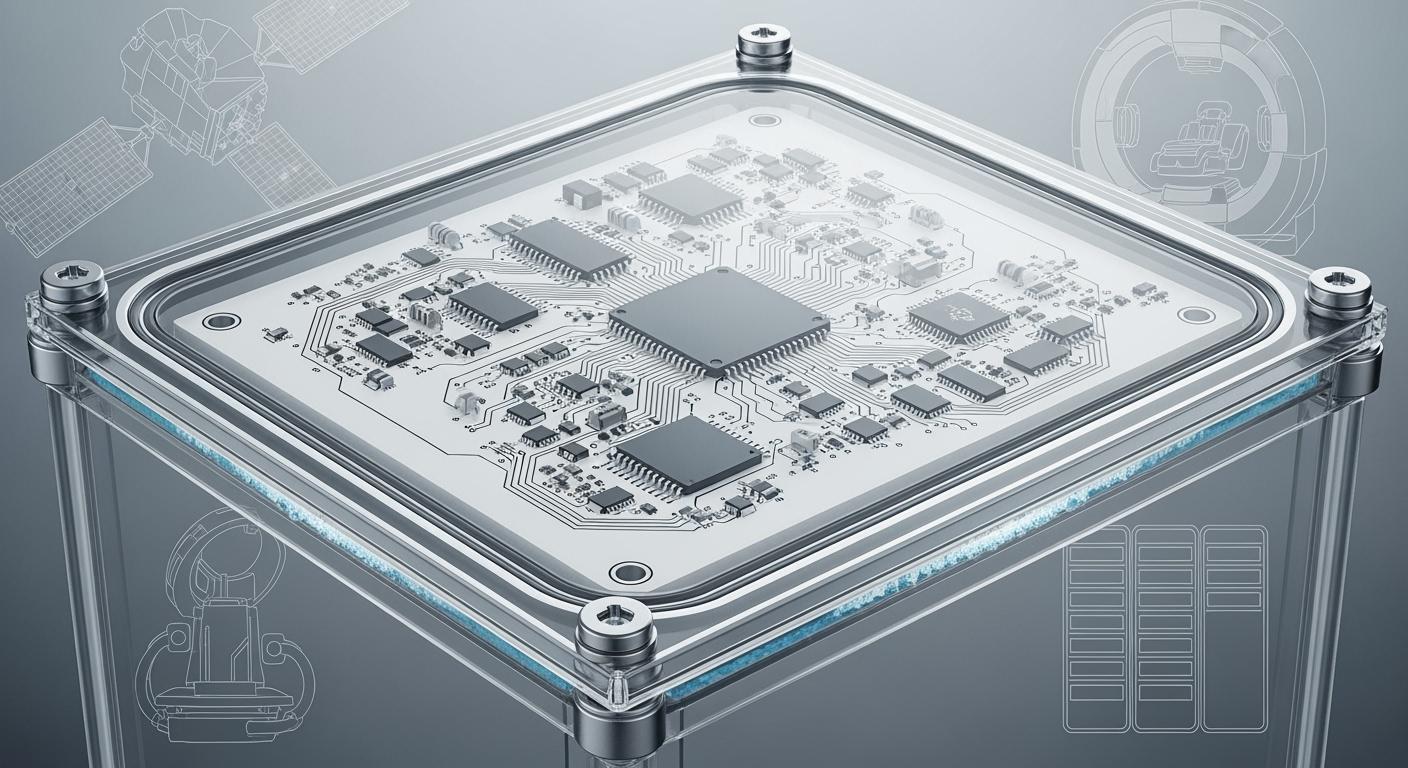
You can have big problems if contaminants get into ceramic pcbs in high-performance electronics. Water and tiny bits can cause rust or make the system stop working. This is a big issue in North American factories. Some common risks are:
- Flux residue can pull in dust and water.
- Ionic contamination can make unwanted electric currents.
- Dust and small bits can hold water.
- Oils and fingerprints can come from touching the boards.
- Humidity can make rust happen faster.
Ceramic pcb air tightness tests help you stop these problems and keep things working well. You should ask for vacuum seals in important uses to protect your equipment.
Key Takeaways
- Ceramic PCBs keep air from getting in. This stops water and dirt from hurting electronics in tough places.
- It is important to test air tightness often. Pressure decay and helium leak tests help check if ceramic PCBs work well.
- Picking good materials, like alumina or aluminum nitride, helps seal the board. These materials also help with heat in hard jobs.
- You should choose makers who have special certificates. They must follow strong rules to make sure your ceramic PCBs work well.
- Test your design and make a sample before making many boards. This helps find and fix problems early.
Why Hermeticity and Air Tightness Are Non-Negotiable for Modern Ceramic PCBs
Defining Air Tightness in the Context of Ceramic Circuit Board
It is important to keep ceramic pcbs closed off from outside things. Air tightness means no air, water, or gas can get inside the pcb. In electronics that need to work very well, you use uhv environments. These places have almost no air at all. Ceramic pcbs must stay sealed for a long time. If you want to follow strict rules, you need to test ceramic pcb air tightness. This test checks if your board can stop even tiny leaks.
Let’s see how top ceramic packages do:
| Feature | AMETEK Ceramic Packages | Expected Standard |
|---|---|---|
| Hermeticity Validation | 1 x 10^-13 cc/sec | 1 x 10^-11 cc/sec |
| Electrical Resistance | Up to 10 gigaohms at 500 volts | N/A |
| Pressure Resistance | Up to 40,000 psi at ambient temperature | N/A |
| Temperature Resistance | Up to 525 degrees Fahrenheit | N/A |
These numbers show ceramic pcbs work well in uhv places. They keep out dirt and grime. They stop water and humidity from getting inside. Ceramic pcbs can handle fire and high heat. They protect circuits from outside electricity.
The Risks of Poor Sealing: Corrosion, Outgassing, and System Failure
If you do not seal ceramic pcbs well, bad things can happen. Water and air can get in and cause corrosion. Outgassing lets trapped gases out of the board. This can mess up your uhv environment. Your system might break when you need it most.
- Corrosion damages metal traces.
- Outgassing changes pressure in uhv systems.
- Moisture can make circuits stop working.
- Contaminants can make ceramic pcbs last less time.
Managing the Moisture Ingress Rate in Harsh Environments
You need to control how much water gets into ceramic pcbs. This is very important in uhv and ultra-high vacuum places. Even a small leak can let in enough water to hurt the board over time. Always check the moisture ingress rate. Do regular ceramic pcb air tightness tests. This helps your electronics stay safe, even in tough places.
Material Science: Why Ceramic Is Better Than FR4 for Sealing
Hermetic sealing makes a barrier that keeps out air, water, and gas. This barrier protects your electronics from things that can hurt them. In microelectronics, you need this seal to stop water and bad gases from getting inside. In uhv and ultra-high vacuum places, ceramic pcbs must stay safe for many years. FR4 is a common pcb material, but it does not seal as well as ceramic. For tough jobs, ceramic pcbs work best.
Alumina (Al₂O₃) and Aluminum Nitride (AlN): Picking the Best Barrier
You can pick alumina or aluminum nitride for your ceramic pcb. Both block water and gas very well. Alumina gives strong electrical insulation and works in uhv places. Aluminum nitride is better at moving heat away, so your pcb stays cool. If you need to handle high heat and want the best seal, choose aluminum nitride for uhv and ultra-high vacuum jobs.
| Property | Alumina (Al₂O₃) | Aluminum Nitride (AlN) |
|---|---|---|
| Electrical Insulation | High | Moderate |
| Thermal Conductivity | Moderate | High |
| Moisture Barrier | Excellent | Excellent |
| UHV Suitability | Strong | Strong |
Why CTE (Coefficient of Thermal Expansion) Matters for Seals
You need to think about the coefficient of thermal expansion, or CTE, when you design ceramic pcbs for uhv and ultra-high vacuum. If the CTE of your ceramic does not match the metal or glass, the seal can break. You want materials that do not change shape much with heat. Ceramic-to-metal seals give good insulation and can handle high temperatures. This is important for hard jobs.
Why Good Heat Flow Helps Keep Seals Tight
Good heat flow helps your ceramic pcbs keep their seals strong. Ceramics like aluminum nitride can take heat over 500°C and fast changes in temperature. When your pcb stays cool, the seal does not get weak or leak. Always test your ceramic pcb for air tightness after heating and cooling in uhv and ultra-high vacuum. This keeps your electronics safe and working well.
Tip: Pick ceramic pcbs for your hardest uhv projects. They seal better, handle heat well, and last longer than FR4.
Manufacturing Technologies for Zero-Leak Ceramic Circuits
HTCC (High-Temperature Co-fired Ceramic) for Maximum Structural IntegrityPressure Decay and Bubble Test
Ceramic pcbs must be strong for uhv and ultra-high vacuum jobs. HTCC makes ceramic and metal stick together by heating them a lot. This creates a solid, sealed part. HTCC is good for places where leaks are not allowed. It also lasts a long time.
You check the seal with two main tests:
- Pressure Decay Test: You add pressure to the ceramic pcb. Watch if the pressure drops. If it does not drop, the seal is good. If it drops, there is a leak.
- Bubble Test: Put the pcb in liquid and add pressure. Look for bubbles. Bubbles mean air is leaking out. No bubbles means the seal is tight.
These tests help you find leaks before using ceramic pcbs in uhv or ultra-high vacuum. HTCC keeps bad stuff out and protects electronics.
Note: Always test ceramic pcb air tightness after making them. This makes sure your product is reliable.
Advanced Thin Film Metallization and Brazing Techniques
Ceramic pcbs need to last in tough places. Thin film metallization and brazing help with this. Active Metal Brazing (AMB) joins metal to ceramic. AMB makes a strong, sealed bond. This stops gaps and keeps the seal safe. Your electronics work better and last longer.
Thin film metallization adds metal layers carefully. You control how thick and where the metal goes. This helps with electric connections and heat. Brazing joins metal and ceramic with no spaces. The seal can handle heat, pressure, and chemicals.
Achieving $10^{-9}$ atm·cm³/s Helium Leak Rates through Precision Engineering
Ultra-low leak rates are needed for uhv and ultra-high vacuum. Precision engineering helps you reach $10^{-9}$ atm·cm³/s leak rates. Helium leak detection is used for this. Helium is tiny and finds small leaks. You test ceramic pcbs in a vacuum chamber. Sensors check if helium gets out. You fix things until the leak rate is right.
| Test Method | Leak Rate Sensitivity | When to Use |
|---|---|---|
| Pressure Decay | Moderate | First check |
| Bubble Test | Low | Quick look |
| Helium Leak Test | Very High | Final check |
These tests make sure ceramic pcbs are ready for uhv and ultra-high vacuum. They keep water, gas, and dirt out of your electronics.
Step-by-Step Guide: Conducting Air Tightness Tests on Ceramic PCBs
Here are steps to test ceramic pcb air tightness:
- Prepare the Sample: Clean the ceramic pcb. Remove dust and fingerprints.
- Seal the Test Chamber: Put the pcb in a vacuum chamber. Make sure all parts are tight.
- Apply Pressure or Vacuum: Use a pump to add or remove air.
- Monitor for Leaks: Use sensors to watch for pressure changes or helium leaks.
- Inspect Visually: For bubble tests, put the pcb in liquid and look for bubbles.
- Record Results: Write down leak rates and test details.
- Review and Approve: Check results against your goal. Only approve ceramic pcbs that pass.
Tip: Test again after heating and cooling to make sure the seal stays tight.
Do these steps for every batch. This keeps ceramic pcbs working well in uhv and ultra-high vacuum. You stop failures and help electronics last longer.
Industry Standards and Testing: The American Benchmark (EEAT Core)
Understanding MIL-STD-883 Method 1014: The Top Hermeticity Test
You have to know about MIL-STD-883 Method 1014 if you want your ceramic pcbs to pass the best tests in North America. This method gives the rules for hermeticity testing in microelectronics. It checks if your ceramic pcbs can block air, water, and dirt in uhv and ultra-high vacuum places. MIL-STD-883 Method 1014 shows you how to find leaks using helium gas. You put your pcb in a closed chamber and fill it with helium. Then you use a mass spectrometer to see if any helium gets out. If helium leaks, your ceramic pcb does not pass. This test helps make sure your electronics work well in tough places.
Note: Aerospace, defense, and medical fields trust MIL-STD-883 Method 1014. You can use it to check ceramic pcb air tightness test results.
Fine Leak and Gross Leak Testing: A Full Quality Check
You need both fine leak and gross leak tests to make sure your ceramic pcbs are good enough. Fine leak testing looks for tiny leaks that could let in water or gas over time. You use a leak detector set for helium. You fill the chamber with helium and watch for leaks. If you find helium, your ceramic pcb fails. This test is very important for uhv and ultra-high vacuum jobs, where even a small leak can cause problems.
Gross leak testing finds big leaks that let in dirt fast. You dip your ceramic pcb in low density freon, then move it to high density freon. If the seal is bad, freon leaks out, showing the seal failed. You must do both tests to make sure your ceramic pcbs can last in hard places.
| Test Type | Purpose | Detection Method | Pass/Fail Criteria |
|---|---|---|---|
| Fine Leak | Find tiny leaks | Helium mass spectrometer | No helium found |
| Gross Leak | Find big leaks | Freon immersion | No freon leaks |
Tip: Always do both tests before using ceramic pcbs in uhv or ultra-high vacuum.
Environmental Stress Screening (ESS) for Space and Defense
You need more than leak tests if you want your ceramic pcbs to work in space and defense. Environmental Stress Screening (ESS) puts your pcb through hard tests like fast temperature changes, shaking, and high humidity. ESS helps you find weak spots before your ceramic pcbs are used. This way, you can fix problems early and make your boards stronger.
Here are the steps for ESS:
- Put your ceramic pcb in a thermal chamber.
- Change the temperature from very cold to very hot.
- Shake the pcb to copy vibration.
- Make the pcb face high humidity.
- Test ceramic pcb air tightness after each stress.
You must check that your ceramic pcbs still seal tight after ESS. This is very important for uhv and ultra-high vacuum missions, where you cannot have failures.
Alert: ESS is required for aerospace and defense electronics. You keep your equipment safe and your name strong by using it.
High-Growth Applications in the Americas Market
Aerospace and Defense: Protecting Sensitive Avionics in Vacuum
Avionics must work in tough places. Ceramic pcbs help keep systems safe in uhv. These boards block moisture and dust. This stops corrosion and shorts. Defense electronics face fast temperature changes and shaking. Ceramic pcbs keep their seals strong. They protect important equipment.
Note: Pick ceramic pcbs for aerospace jobs needing uhv and long life.
Implantable Medical Devices: Biocompatibility and Hermetic Sealing
Medical devices go inside the body. Ceramic pcbs are safe for people. Their seals keep body fluids out. This protects tiny circuits. In uhv, you need materials that do not react with tissue. Ceramic pcbs meet strict safety rules. Patients trust these devices to work well.
| Application | Key Requirement | Ceramic PCB Benefit |
|---|---|---|
| Pacemakers | Biocompatibility | Safe for body contact |
| Cochlear Implants | Hermetic sealing | Prevents fluid ingress |
| Neurostimulators | UHV reliability | Long-term performance |
EV and Power Electronics: Preventing Electrolyte Contamination
Battery systems need strong seals. Hermetic sealing keeps moisture and electrolytes out. This protects inside parts from damage. Small leaks can cause rust and lower performance. Battery systems can be unsafe if seals break. Ceramic pcbs give long-lasting protection in uhv. Batteries work well, even in hard places.
Tip: Use ceramic pcbs in EVs and power electronics. This stops electrolyte leaks and helps systems last longer.
Choosing a Reliable Ceramic PCB Partner: A Checklist for US Engineers
Picking the right ceramic pcb partner is very important. It can help your project work well or fail. Do not just look at price or how fast they deliver. You should care about their skills and how they make things. Make sure they have good quality checks. Here is a simple checklist to help you choose:
- Look at how much experience the maker has.
- See if they use advanced tools and are very precise.
- Make sure they can make samples fast and build many boards.
- Check if they have strong quality rules and certificates.
Tip: Ask for names of clients in aerospace, medical, or defense. This lets you see if they do a good job in real life.
Certifications to Look For: ISO 9001, AS9100, and Beyond
Certificates show the maker cares about safety and quality. You should look for these important certificates:
| Certification | Description |
|---|---|
| ISO 9001 | Shows they have good quality checks. |
| AS9100 | Needed for aerospace and defense jobs. |
| ISO 13485 | Meets rules for medical devices. |
| UL Certification | Proves safety and fire rules are met. |
| RoHS & REACH | Makes sure materials are safe and green. |
| ITAR Compliance | Needed for U.S. defense and medical work. |
You can trust makers with these certificates to give you good ceramic pcbs.
Case Study: How One US Aerospace Firm Solved Failure Issues with Improved Airtightness
A top aerospace company had problems with their avionics modules. Water and dirt caused short circuits and rust. The engineers picked a certified ceramic pcb maker. This maker used special leak tests and careful brazing. The new boards passed MIL-STD-883 Method 1014 and tough stress tests. The system worked better and there was less downtime.
Requesting a Custom Technical Review and Prototype
You should ask for a technical review before you order a lot. Tell your supplier to check your design and help make it more air tight. Ask for a sample and test it for leaks. This helps you find problems early. It makes sure your final product meets hard rules.
Note: A good partner will help you with design, testing, and making your boards.
Conclusion: Investing in Reliability with Airtight Ceramic Solutions
Designing high-performance electronics is not easy. Things like moisture, dust, and gas can hurt your circuits. Ceramic PCBs with airtight seals keep your electronics safe. These seals protect your systems in tough places. You can meet strict rules for aerospace, medical, and power electronics.
Here are some important steps to follow:
- Choose the right material. Pick alumina or aluminum nitride for strong seals and good heat flow.
- Use proven manufacturing methods. HTCC and advanced brazing help you reach zero-leak performance.
- Test every batch. Run pressure decay, bubble, and helium leak tests. Check for leaks after stress screening.
- Work with certified partners. Look for ISO 9001, AS9100, and other important certifications.
- Request technical reviews and prototypes. Test samples before full production.
When you ask for airtight ceramic PCBs, you protect your money. You lower the chance of things breaking or stopping. Your customers and partners will trust you more.
| Benefit | Impact on Your Project |
|---|---|
| Hermetic reliability | Fewer failures |
| Long-term durability | Lower maintenance costs |
| Compliance | Easier certification |
| Market reputation | Stronger customer trust |
Focusing on air tightness helps your project do well. You follow industry rules and your electronics last longer. You get ahead in North America’s tough markets.
Start now. Check your designs, test your boards, and pick partners who care about reliability. Your next project should have the best protection.
You can keep your electronics safe by doing these things: Pick ceramic materials that seal well. Use smart ways to make and test your boards. Work with suppliers who have certificates. Ask for samples and reviews before you buy.
If you use airtight ceramic PCBs, your electronics work better. You will have fewer problems and your project will be worth more. These steps help protect your systems and make customers trust you.
 Products
 About us
 Contact us