















 HOME
HOME

-

Ceramic PCB for Power Modules (IGBT): The Ultimate High-Thermal Management Guide
2025 12,27 -
Ceramic Substrate or Aluminum PCB for High-Power LEDs
2025 12,24 -
The Ultimate Guide to Alumina Circuit Board (Al2O3): High-Performance Ceramic PCB Solutions for Global Electronics
2025 12,22 -
DBC Welding Strength Compared to Other Materials
2025 12,19 -
LTCC PCB Surprises: What Most People Miss
2025 12,09 -
Comparison of DBC PCBs and MCPCBs for Cooling Performance
2025 12,03 -
Step-by-Step Guide to DPC PCB Design for Sensor Systems
2025 12,03 -
Ceramic PCBs Essential Benefits and Applications
2025 12,01 -
How Al2O3 DPC Ceramic Substrate PCB Enhances Heat Dissipation in Modern Electronics?
2025 11,28 -
How to Choose Between Ceramic, FR4, and Metal Core PCBs
2025 11,27 -
DPC Ceramic PCB Materials: Surprising Science Inside
2025 11,26 -
Wire bondable 2-layer Alumina substrates PCB | Bstceramic PCB
2025 09,22 -
Silicon Nitride Substrate, Silicon Nitride Ceramic Substrate Formula
2025 05,08 -
How to choose the appropriate substrate for ceramic circuit boards?
2023 11,16 -
Laser Cutting or Water Saw Cutting? How To Choose the Best Cutting Solution for Ceramic Circuit Boards
2023 11,13 -
Why Ceramic PCB Is So Expensive?
2023 11,10 -
Which Process Ceramic Circuit Board Is A Better Solution For Semiconductor Refrigerator Chips?
2023 11,06 -
Silicon Printing Circuit Boards For Advancing Electronics
2023 10,27 -
What is the Difference Between HTCC and LTCC Ceramic PCB
2023 10,06 -
What is the Difference Between 96% and 99% Aluminum Oxide in Ceramic PCBs?
2023 09,20 -
Why thick film ceramic PCB is good for oil level sensor in automotive industry?
2023 08,25 -
Silver Paste: The Best Conductor Material for Via Holes in Thick Film Ceramic Boards
2023 08,16 -
Testing Circuit Board Ceramic Diode Fuses: A Complete Guide
2023 08,07 -
Why DBC is replaced by DPC in ceramic PCB manufacturing?
2023 08,01 -
What is thick film ceramic PCB?
2023 08,02
Automotive electronic ceramic circuits make cars smarter and safer
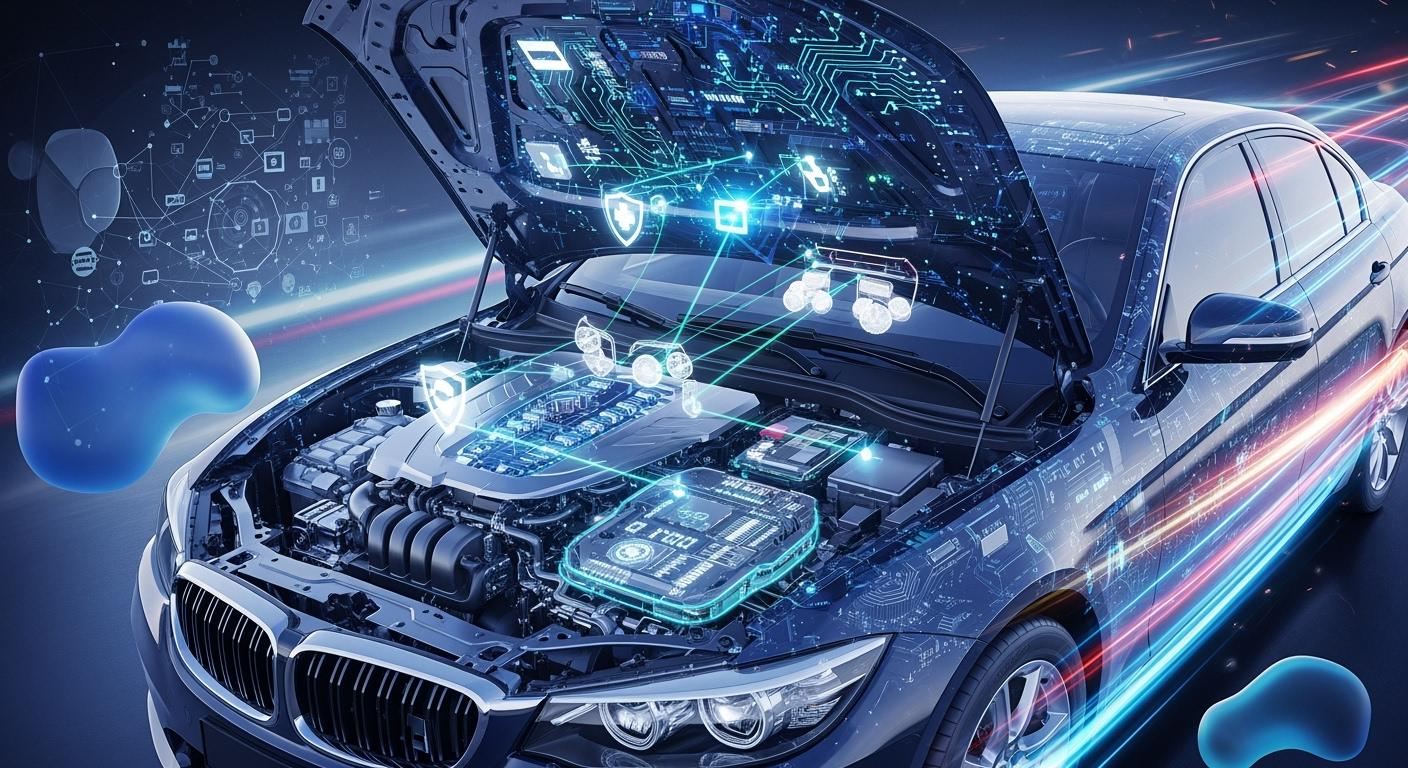
Imagine you are driving a car that reacts very fast to road changes. Your car uses automotive electronic ceramic circuits with LTCC technology. These circuits take in data from sensors. They help you stay away from danger. These circuits also make smart features work, like adaptive headlights and collision alerts. You get better safety and trust your car more each time you drive.
Key Takeaways
- Automotive electronic ceramic circuits make cars safer by adding smart features like adaptive headlights and collision alerts.
- LTCC technology helps make small and efficient designs. This lets cars have more features in less space. The performance stays strong.
- Ceramic circuits last a long time. They can handle heat, shock, and chemicals. This keeps them working well in tough driving conditions.
- These circuits help advanced driver assistance systems (ADAS) work better. They make cars smarter and help them react to changes on the road.
- Using LTCC technology makes car electronics last longer and work better. This lowers repair costs and makes driving safer.
Automotive electronic ceramic circuits and LTCC basics
What is LTCC?
You see LTCC in many modern car systems. LTCC stands for Low Temperature Co-fired Ceramic. This technology helps build 3D circuit shapes. You can stack layers to save space. More layers mean more functions fit inside. This method lets you add things like filters and switches. These parts go right into the ceramic base. You get high packing density, which is important for cars with small spaces. LTCC circuits stay stable when it gets hot. They also keep electricity safe inside. These features help your car’s electronics work well. They keep working even when it is hot or shaking. Sudden temperature changes do not stop them.
Tip: LTCC circuits are used in car communications and radar. You find them in LC filters, duplexers, and transceiver switches.
Role in automotive electronics
Automotive electronic ceramic circuits help make cars smarter and safer. You depend on these circuits for strong and reliable work. Ceramic materials handle heat very well. They resist shock, vibration, and harsh chemicals. This means your car’s electronics keep working in tough times.
- Advantages of ceramic circuits in vehicles:
- High mechanical strength
- Stay the same size under heat or force
- Resist high temperatures and quick changes
- Strong against chemical damage
- Good at keeping electricity safe and flowing
You find ceramic circuits in sensors, radar, ESC, and ABS. These systems need to be tough and last long. Studies show ceramic circuits meet strict safety rules. You trust your car’s smart features because they use these materials.
Automotive electronic ceramic circuits keep getting better. You get new smart and safe features as they improve.
Enhancing vehicle intelligence with LTCC
Sensor integration
You need sensors to help your car know what is around it. LTCC technology lets you put many sensor jobs into small modules. This makes your car smarter and quicker to react. You see this in radar, LiDAR, and UWB sensors. These sensors help with parking, lane keeping, and blind spot checks.
LTCC makes filters and circuits smaller. You can add more features without making your car bigger or heavier.
Here is how LTCC helps sensor integration in automotive electronic ceramic circuits:
| Feature | Description |
|---|---|
| Cost-Effective Packaging | LTCC gives a cheaper way to pack high-frequency parts for radar. |
| Multi-Level Routing | You get complex paths in a small design, which is important for new cars. |
| Flip-Chip Technique | This method lets you mount chips well, so connections work better. |
| Volume Fabrication | LTCC helps make lots of sensors, so every car gets good sensors. |
| Miniaturization of Filters | You can make RF filters smaller, which helps UWB and radar work together. |
| Reduced Footprint | LTCC makes sensor modules shorter and smaller, so they fit easier. |
| Performance and Dimensions | You meet tough rules for electricity and size, so sensors work in hard places. |
These features help your car spot things and change to road conditions.
Communication modules
You need fast and steady data for smart driving. LTCC technology makes communication modules in your car more reliable. These modules link sensors, control units, and safety systems. They must work in hot places and when the car shakes.
- Engine control modules with LTCC work at 150°C and do not break.
- Pressure sensors with signal processing stay strong, which is important for safety.
- LTCC works in control modules and sensors that face heat and shaking.
- Exhaust sensor units made with LTCC check emissions all the time and work well in tough spots.
- LTCC materials have great electrical traits, so your car meets strict rules.
- You can put antennas with active parts, which makes the system stronger.
- Multi-layered LTCC devices join many parts, so data moves better.
Automotive electronic ceramic circuits with LTCC keep your car’s communication working, even in hard places.
Miniaturization for smart features
You want more smart features in your car but do not want it bigger or heavier. LTCC helps with this. You can fit things like adaptive cruise control, emergency braking, and wireless charging into small modules.
- LTCC lets you make filters and circuits smaller.
- You get more features in less space because of high-density integration.
- Smaller modules mean you can add new tech without changing the whole car.
Automotive electronic ceramic circuits let you use new smart features. You get safer and more connected driving without big hardware.
LTCC for automotive safety systems
Performance in harsh environments
You want your car to work everywhere. LTCC technology helps your car handle heat, shaking, and wet roads. You can drive in deserts, snow, or rain. LTCC circuits keep working when other materials stop. Ceramic substrates do not rust or break under pressure. Your car works well even when the engine gets hot or the weather changes fast.
- LTCC modules work at over 150°C.
- You do not lose function when temperatures change quickly.
- Ceramic circuits stand up to chemicals from fuel and road salt.
Note: Automotive electronic ceramic circuits with LTCC technology help your car’s safety systems stay strong in tough places.
Reliability for safety-critical circuits
You count on your car’s safety features every time you drive. LTCC circuits make sure systems like airbags and anti-lock brakes work well. These circuits must work right because your safety depends on them. Ceramic materials stop electrical problems and short circuits. You get steady signals and quick responses.
- LTCC circuits fail less often.
- You see fewer problems in important systems.
- Ceramic substrates block electrical noise and interference.
You trust your car’s safety because makers use LTCC in control units and sensor modules. Studies show ceramic circuits meet strict rules for strength and reliability.
Support for ADAS and autonomous driving
You want smart driver assistance and self-driving features in your car. LTCC technology helps by making small, powerful electronic modules. You get accurate radar, LiDAR, and camera systems that help your car spot things and react fast.
Here is how LTCC helps ADAS and autonomous driving systems:
| Application Type | Description |
|---|---|
| Circuit Board Technology | LTCC is a trusted technology used in electronic control units (ECUs). |
| Automotive Components | Needed for ADAS and self-driving systems, like ABS control units and steer-by-wire. |
You find LTCC in radar sensors, steering modules, and brake systems. These parts must handle data quickly and correctly. LTCC circuits let you use lane keeping, adaptive cruise control, and emergency braking. Automotive electronic ceramic circuits help make your car smarter and safer.
Tip: LTCC technology lets you enjoy new safety features without losing reliability or performance.
Key applications of ceramic circuits in cars
Radar and LiDAR sensors
Radar and LiDAR sensors help your car spot things and measure how far they are. These sensors use automotive electronic ceramic circuits to handle signals fast and right. Multi-Layer Ceramic Capacitors (MLCCs) are important in these systems. MLCCs are small but strong, made for advanced driver assistance systems. They work well in hot places and when the car shakes a lot. You can count on these sensors to work every time, so your car reacts quickly to road changes.
MLCCs help radar and LiDAR sensors give clear signals, even when you drive in tough places.
Engine and powertrain control
You want your car’s engine and powertrain to work well each time you drive. Ceramic circuits help control engine timing, fuel use, and power flow. These circuits do not break from heat or electrical noise, so control units stay correct. You get better gas mileage and less pollution because the circuits keep the engine working right. Automotive electronic ceramic circuits also help electric and hybrid cars. They help manage batteries and motors, making driving safer and smoother.
- Ceramic circuits keep engine modules working well.
- You get good power control in electric cars.
- Your car meets strict pollution rules.
Airbag and safety modules
You trust your car’s safety systems to keep you safe in a crash. Airbag modules and other safety parts use ceramic circuits for quick and steady action. These circuits work in milliseconds, so airbags open at the right time. Ceramic materials stop electrical problems, so signals stay clear. You get steady work from anti-lock brakes, stability control, and other safety features. Makers use ceramic circuits because they meet hard safety rules and last longer than old types.
| Safety Feature | Benefit of Ceramic Circuits |
|---|---|
| Airbag Modules | Quick action, reliable opening |
| ABS/ESC | Clear signals, fewer problems |
| Crash Sensors | Correct spotting, long life |
You feel safe knowing your car’s safety parts use advanced ceramic technology.
LTCC vs traditional PCB technology
Thermal stability
Your car’s electronics must work in hot and cold places. LTCC circuits give strong thermal stability. Ceramic materials inside LTCC handle heat well. They do not change shape or stop working. This helps engine control units and safety modules. Traditional PCBs can fail when temperatures change fast. LTCC substrates resist thermal shock. Your systems keep running. You feel safe because your car’s electronics will not overheat or break.
Note: Automotive engineers pick LTCC for important systems. It stays reliable when the engine is hot or the weather changes quickly.
High-frequency performance
Modern cars need fast data for radar and wireless communication. LTCC technology supports high-frequency signals up to 100 GHz. You get clear and accurate sensor readings. Traditional PCBs lose signal quality at high frequencies. LTCC’s high thermal conductivity (3–20 W/mK) keeps circuits cool. You get better performance in advanced driver assistance systems.
| Feature | LTCC PCBs | Traditional PCBs |
|---|---|---|
| Frequency Range | Up to 100 GHz | Limited at high frequencies |
| Thermal Conductivity | High (3–20 W/mK) | Low (0.3–1.5 W/mK) |
| Durability | Resistant to thermal shock, vibration, and chemical exposure | Limited durability in harsh environments |
You see the difference in radar and communication modules. LTCC lets you use smarter features and drive safer.
Durability and lifespan
You want your car’s electronics to last a long time. LTCC circuits are very durable. They resist vibration, shock, and chemicals from fuel or road salt. Traditional PCBs wear out faster in tough places. LTCC modules keep working after thousands of hours on the road. You spend less money on repairs and replacements. Research shows ceramic circuits help safety and control systems last longer.
- LTCC substrates protect against corrosion.
- You get reliable performance in every season.
- Your car’s smart features stay active longer.
Tip: Picking LTCC technology means you get long-term reliability and safety for your car.
You can notice how automotive electronic ceramic circuits, like LTCC, make your car react faster and protect you better. These circuits give strong results, work well for a long time, and add smart features to every trip. You get small designs that fit easily and keep working in hard places. As scientists and engineers create new ideas, you will see even safer and smarter cars in the future.
Get excited for new changes coming soon in automotive electronics.
 Products
 About us
 Contact us