







































 HOME
HOME

-

Ceramic Circuit Board Design for the UK Electronics Industry
2026 01,13 -
BST Ceramic PCB Expands Small Batch Ceramic PCB Manufacturing Support for Swiss High-Precision Electronics
2026 01,13 -
Aluminum Nitride (AlN) Circuit Boards: Revolutionizing Thermal Management in UK Energy Storage Systems
2026 01,10 -
Top Tips for Advanced Semiconductor Packaging Substrate Design
2026 01,05 -
Automotive electronic ceramic circuits make cars smarter and safer
2026 01,05 -
The Ultimate Guide to Ceramic PCB Air Tightness: Ensuring Hermetic Reliability for High-Performance Electronics in North America
2025 12,29 -
Ceramic PCB for Power Modules (IGBT): The Ultimate High-Thermal Management Guide
2025 12,27 -
Ceramic Substrate or Aluminum PCB for High-Power LEDs
2025 12,24 -
The Ultimate Guide to Alumina Circuit Board (Al2O3): High-Performance Ceramic PCB Solutions for Global Electronics
2025 12,22 -
DBC Welding Strength Compared to Other Materials
2025 12,19 -
LTCC PCB Surprises: What Most People Miss
2025 12,09 -
Comparison of DBC PCBs and MCPCBs for Cooling Performance
2025 12,03 -
Step-by-Step Guide to DPC PCB Design for Sensor Systems
2025 12,03 -
Ceramic PCBs Essential Benefits and Applications
2025 12,01 -
How Al2O3 DPC Ceramic Substrate PCB Enhances Heat Dissipation in Modern Electronics?
2025 11,28 -
How to Choose Between Ceramic, FR4, and Metal Core PCBs
2025 11,27 -
DPC Ceramic PCB Materials: Surprising Science Inside
2025 11,26 -
Wire bondable 2-layer Alumina substrates PCB | Bstceramic PCB
2025 09,22 -
Silicon Nitride Substrate, Silicon Nitride Ceramic Substrate Formula
2025 05,08 -
How to choose the appropriate substrate for ceramic circuit boards?
2023 11,16 -
Laser Cutting or Water Saw Cutting? How To Choose the Best Cutting Solution for Ceramic Circuit Boards
2023 11,13 -
Why Ceramic PCB Is So Expensive?
2023 11,10 -
Which Process Ceramic Circuit Board Is A Better Solution For Semiconductor Refrigerator Chips?
2023 11,06 -
Silicon Printing Circuit Boards For Advancing Electronics
2023 10,27 -
What is the Difference Between HTCC and LTCC Ceramic PCB
2023 10,06 -
What is the Difference Between 96% and 99% Aluminum Oxide in Ceramic PCBs?
2023 09,20 -
Why thick film ceramic PCB is good for oil level sensor in automotive industry?
2023 08,25 -
Statistical analysis of ceramic PCB application fields
2023 08,16 -
Notice of anti-static requirements for PCBA processing and production
2023 08,16 -
Silver Paste: The Best Conductor Material for Via Holes in Thick Film Ceramic Boards
2023 08,16 -
Testing Circuit Board Ceramic Diode Fuses: A Complete Guide
2023 08,07 -
Why DBC is replaced by DPC in ceramic PCB manufacturing?
2023 08,01 -
What is thick film ceramic PCB?
2023 08,02
Ceramic PCB Thermal Conductivity: LTCC & HTCC Solutions for Aerospace Applications
Table of Contents
- Introduction: Why Ceramic PCB Thermal Conductivity Matters
- What Is Ceramic PCB Thermal Conductivity?
- Key Materials Affecting Thermal Performance
- LTCC vs HTCC: Thermal Conductivity Comparison
- Aerospace Applications of LTCC and HTCC Ceramic PCBs
- Why Aerospace Industry Demands High Thermal Conductivity
- Ceramic PCB Thermal Solutions for Brazilian Aerospace Market
- Manufacturing Capability & Quality Control (EEAT核心)
- How to Choose the Right Ceramic PCB for Aerospace Projects
- Conclusion & Engineering Support
Introduction: Why Ceramic PCB Thermal Conductivity Matters
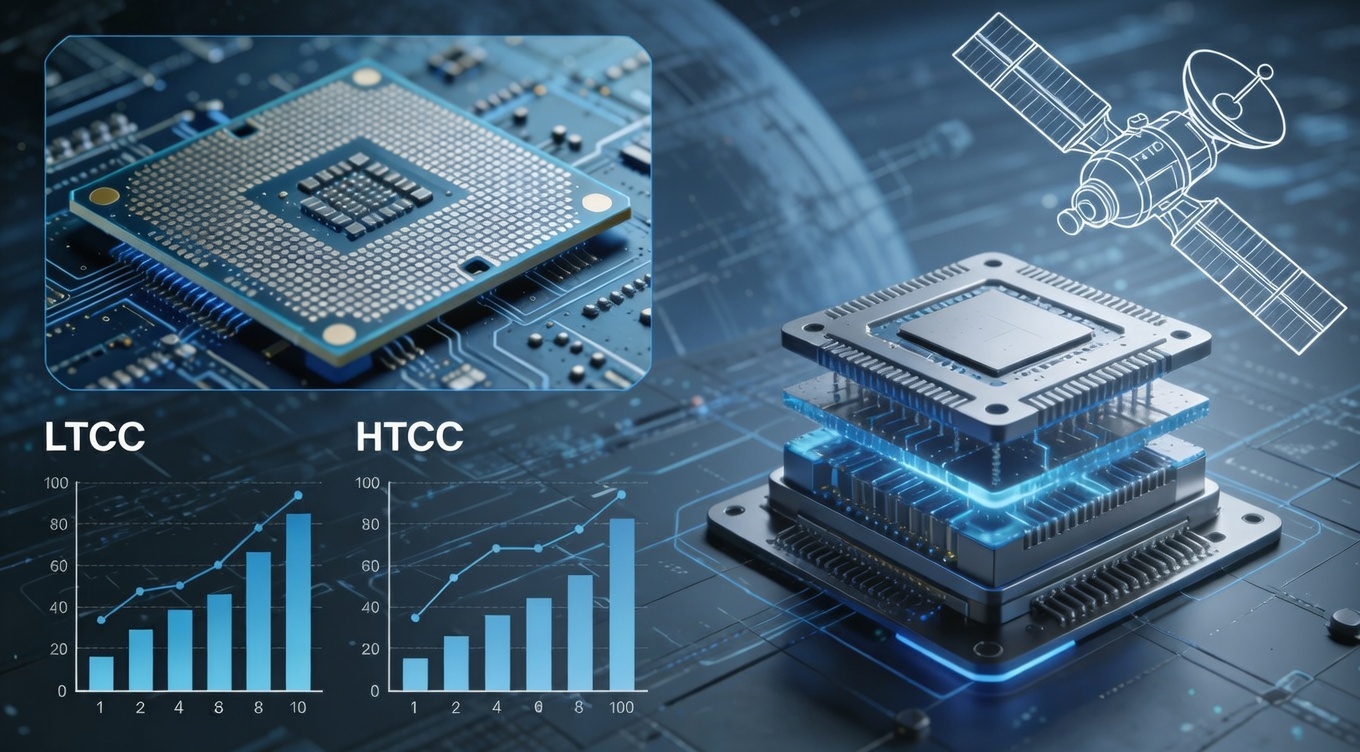
In aerospace electronics, thermal management is not an option—it is a critical design requirement. As electronic systems become more compact and power densities continue to increase, traditional PCB materials struggle to dissipate heat efficiently. This is where ceramic PCB thermal conductivity becomes a decisive factor.
Ceramic printed circuit boards, especially LTCC (Low Temperature Co-fired Ceramic) and HTCC (High Temperature Co-fired Ceramic) technologies, offer superior thermal performance, long-term reliability, and stability under extreme operating conditions. These advantages make ceramic PCBs an essential solution for aerospace applications such as avionics, satellite systems, and high-frequency communication modules.
What Is Ceramic PCB Thermal Conductivity?
Thermal conductivity refers to a material’s ability to transfer heat from heat-generating components to the surrounding environment. In ceramic PCBs, heat is dissipated through the ceramic substrate itself rather than relying solely on copper layers or external heat sinks.
Compared with conventional FR4 materials, ceramic substrates provide:
- Significantly higher thermal conductivity
- Lower thermal expansion mismatch with semiconductor devices
- Improved mechanical stability under temperature cycling
These characteristics are especially important for aerospace electronics, where failure caused by thermal stress is unacceptable.
Key Materials Affecting Thermal Performance
Alumina (Al₂O₃) Ceramic Substrates
Alumina ceramic PCBs are widely used due to their balanced performance and cost efficiency. Typical thermal conductivity ranges from 20–30 W/m·K, making them suitable for many aerospace control and monitoring circuits.
Aluminum Nitride (AlN) High Thermal Conductivity Ceramic
For high-power aerospace applications, aluminum nitride ceramic PCBs offer exceptional thermal conductivity, typically 140–180 W/m·K. AlN is ideal for RF modules, power electronics, and mission-critical systems where heat dissipation directly impacts reliability.
Copper & Metallization Influence on Heat Transfer
Beyond the ceramic material itself, metallization layers such as thick copper, DBC, or active metal brazing significantly affect overall thermal performance. Optimized circuit design ensures efficient heat spreading across the ceramic substrate.
LTCC vs HTCC: Thermal Conductivity Comparison
LTCC Thermal Conductivity Characteristics
LTCC technology allows multilayer integration with embedded passive components. Thermal conductivity typically ranges between 3–7 W/m·K, but advanced designs compensate through multilayer heat spreading and compact layouts.
LTCC is especially suitable for:
- RF and microwave aerospace modules
- Miniaturized satellite communication systems
HTCC Thermal Conductivity Characteristics
HTCC ceramic PCBs, often based on alumina or AlN, provide higher thermal conductivity and stronger mechanical properties. HTCC substrates withstand extreme temperatures and harsh aerospace environments.
LTCC vs HTCC: Which Is Better for Aerospace?
The choice between LTCC and HTCC depends on:
- Operating temperature range
- Power density
- Frequency performance requirements
In many aerospace projects, LTCC is preferred for high-frequency integration, while HTCC is selected for high-power thermal management.
Aerospace Applications of LTCC and HTCC Ceramic PCBs
Satellite Communication Modules
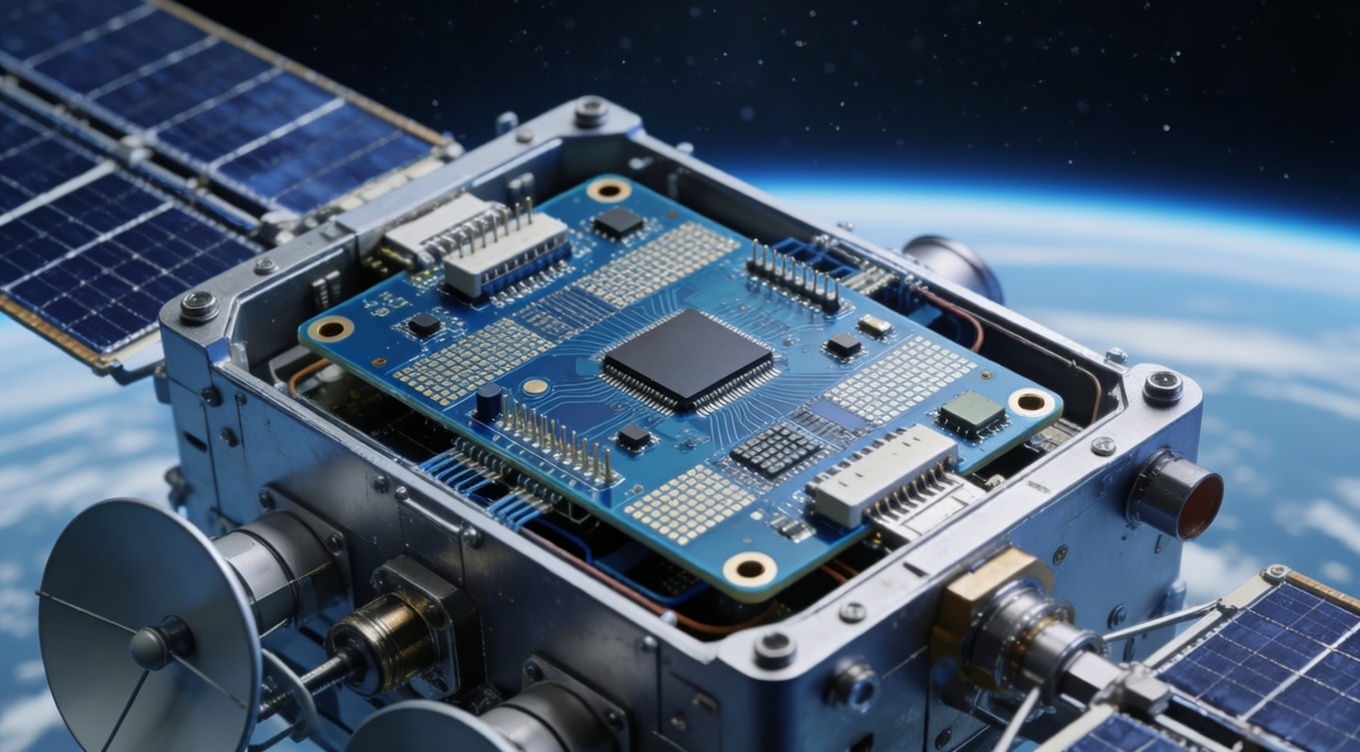
Ceramic PCBs enable stable RF performance and efficient thermal dissipation in satellite transceivers and signal processing units.
Avionics Power Control Systems
HTCC ceramic PCBs support power management modules in avionics, ensuring reliability under vibration and temperature cycling.
Radar, RF & Microwave Aerospace Electronics
LTCC ceramic PCBs are widely used in radar and microwave aerospace systems due to their excellent dielectric properties and thermal stability.
Why Aerospace Industry Demands High Thermal Conductivity
Aerospace electronics must operate reliably under:
- Extreme temperature fluctuations
- High altitude and vacuum environments
- Long mission lifecycles without maintenance
High thermal conductivity ceramic PCBs reduce thermal stress, improve component lifespan, and enhance overall system reliability.
Ceramic PCB Thermal Solutions for Brazilian Aerospace Market
Brazil has a rapidly developing aerospace sector, covering aviation manufacturing, satellite programs, and defense electronics. These applications increasingly require high thermal conductivity ceramic PCBs to meet international reliability standards.
As a ceramic PCB manufacturer, BST Ceramic PCB provides customized LTCC and HTCC solutions tailored for Brazilian aerospace clients, supporting both prototype development and volume production.
Manufacturing Capability & Quality Control
Aerospace projects demand strict process control and traceability. From material selection to final inspection, ceramic PCB manufacturing must comply with aerospace-grade quality requirements.
BST Ceramic PCB integrates:
- Experienced ceramic PCB engineering teams
- Advanced firing and metallization processes
- Comprehensive electrical and thermal testing
This ensures consistent performance and long-term reliability in aerospace environments.
How to Choose the Right Ceramic PCB for Aerospace Projects
Selecting the appropriate ceramic PCB involves:
- Defining thermal conductivity requirements
- Evaluating LTCC vs HTCC advantages
- Considering operating environment and lifecycle
Early collaboration with a professional ceramic PCB manufacturer helps optimize design, reduce cost, and shorten development cycles.
Conclusion & Engineering Support
Ceramic PCB thermal conductivity plays a vital role in aerospace electronics design. LTCC and HTCC technologies provide reliable thermal solutions for high-performance aerospace applications.
If you are developing aerospace electronic systems for the Brazilian market, working with an experienced ceramic PCB supplier ensures technical success and long-term reliability.
 Products
 About us
 Contact us