



















 HOME
HOME

-

Ceramic Circuit Board Design for the UK Electronics Industry
2026 01,13 -
Aluminum Nitride (AlN) Circuit Boards: Revolutionizing Thermal Management in UK Energy Storage Systems
2026 01,10 -
Top Tips for Advanced Semiconductor Packaging Substrate Design
2026 01,05 -
Automotive electronic ceramic circuits make cars smarter and safer
2026 01,05 -
Ceramic PCB for Power Modules (IGBT): The Ultimate High-Thermal Management Guide
2025 12,27 -
Ceramic Substrate or Aluminum PCB for High-Power LEDs
2025 12,24 -
The Ultimate Guide to Alumina Circuit Board (Al2O3): High-Performance Ceramic PCB Solutions for Global Electronics
2025 12,22 -
DBC Welding Strength Compared to Other Materials
2025 12,19 -
LTCC PCB Surprises: What Most People Miss
2025 12,09 -
Comparison of DBC PCBs and MCPCBs for Cooling Performance
2025 12,03 -
Step-by-Step Guide to DPC PCB Design for Sensor Systems
2025 12,03 -
Ceramic PCBs Essential Benefits and Applications
2025 12,01 -
How Al2O3 DPC Ceramic Substrate PCB Enhances Heat Dissipation in Modern Electronics?
2025 11,28 -
How to Choose Between Ceramic, FR4, and Metal Core PCBs
2025 11,27 -
DPC Ceramic PCB Materials: Surprising Science Inside
2025 11,26 -
Wire bondable 2-layer Alumina substrates PCB | Bstceramic PCB
2025 09,22 -
Silicon Nitride Substrate, Silicon Nitride Ceramic Substrate Formula
2025 05,08 -
How to choose the appropriate substrate for ceramic circuit boards?
2023 11,16 -
Laser Cutting or Water Saw Cutting? How To Choose the Best Cutting Solution for Ceramic Circuit Boards
2023 11,13 -
Why Ceramic PCB Is So Expensive?
2023 11,10 -
Which Process Ceramic Circuit Board Is A Better Solution For Semiconductor Refrigerator Chips?
2023 11,06 -
Silicon Printing Circuit Boards For Advancing Electronics
2023 10,27 -
What is the Difference Between HTCC and LTCC Ceramic PCB
2023 10,06 -
What is the Difference Between 96% and 99% Aluminum Oxide in Ceramic PCBs?
2023 09,20 -
Why thick film ceramic PCB is good for oil level sensor in automotive industry?
2023 08,25 -
Silver Paste: The Best Conductor Material for Via Holes in Thick Film Ceramic Boards
2023 08,16 -
Testing Circuit Board Ceramic Diode Fuses: A Complete Guide
2023 08,07 -
Why DBC is replaced by DPC in ceramic PCB manufacturing?
2023 08,01 -
What is thick film ceramic PCB?
2023 08,02
High-Temperature Resistant Ceramic PCB Solutions for Industrial LTCC and HTCC Applications
Quick Navigation
- What Is a High-Temperature Resistant Ceramic PCB?
- Why LTCC and HTCC PCBs Dominate High-Temperature Industrial Applications
- Key Industrial Applications of High-Temperature Ceramic PCBs
- LTCC vs HTCC PCB: Performance Comparison in Harsh Environments
- Material Choices: Alumina, Aluminum Nitride, and Beyond
- Manufacturing Challenges and Design Considerations
- Why High-Temperature Ceramic PCBs Matter for Ukraine’s Industrial Market
- BST Ceramic PCB: Proven Expertise in LTCC & HTCC Manufacturing
- How to Select the Right High-Temperature Ceramic PCB Supplier
As industrial electronics continue to operate under harsher conditions, the demand for high-temperature resistant ceramic PCB solutions has grown significantly. In sectors such as energy infrastructure, industrial automation, automotive electronics, and defense systems, conventional organic PCBs struggle to deliver long-term reliability.
Ceramic PCB technologies—especially LTCC PCB and HTCC PCB—have become the preferred choice for applications requiring stable electrical performance at elevated temperatures.
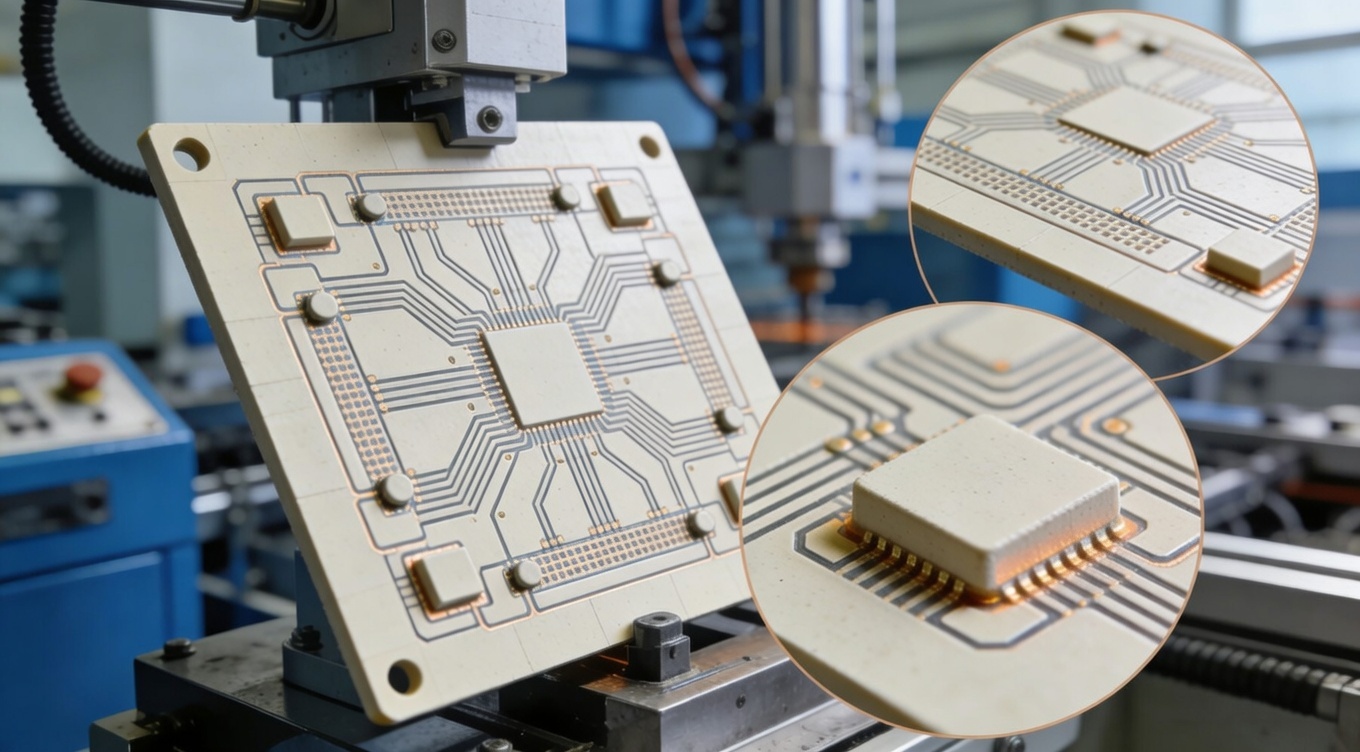
What Is a High-Temperature Resistant Ceramic PCB?
A high-temperature resistant ceramic PCB is a circuit board manufactured using ceramic substrates such as alumina or aluminum nitride. Unlike traditional FR4 materials, ceramic substrates maintain structural integrity, electrical insulation, and thermal performance when exposed to temperatures exceeding 200°C.
Why Standard FR4 PCBs Fail at High Temperatures
FR4 materials degrade rapidly under thermal stress. Delamination, dielectric breakdown, and copper trace failure are common issues in industrial environments. Ceramic PCBs eliminate these risks by offering low thermal expansion and excellent heat dissipation.
Why LTCC and HTCC PCBs Dominate High-Temperature Industrial Applications
LTCC PCB Technology
Low Temperature Cofired Ceramic (LTCC) PCBs are manufactured at approximately 850°C, allowing the integration of conductive materials such as silver and copper. LTCC PCBs are ideal for multilayer designs, compact modules, and applications requiring embedded passive components.
HTCC PCB Technology
High Temperature Cofired Ceramic (HTCC) PCBs are fired above 1600°C and typically use tungsten or molybdenum conductors. HTCC PCBs deliver superior mechanical strength and are suitable for extremely harsh environments, including high-voltage and high-power applications.
Key Industrial Applications of High-Temperature Ceramic PCBs
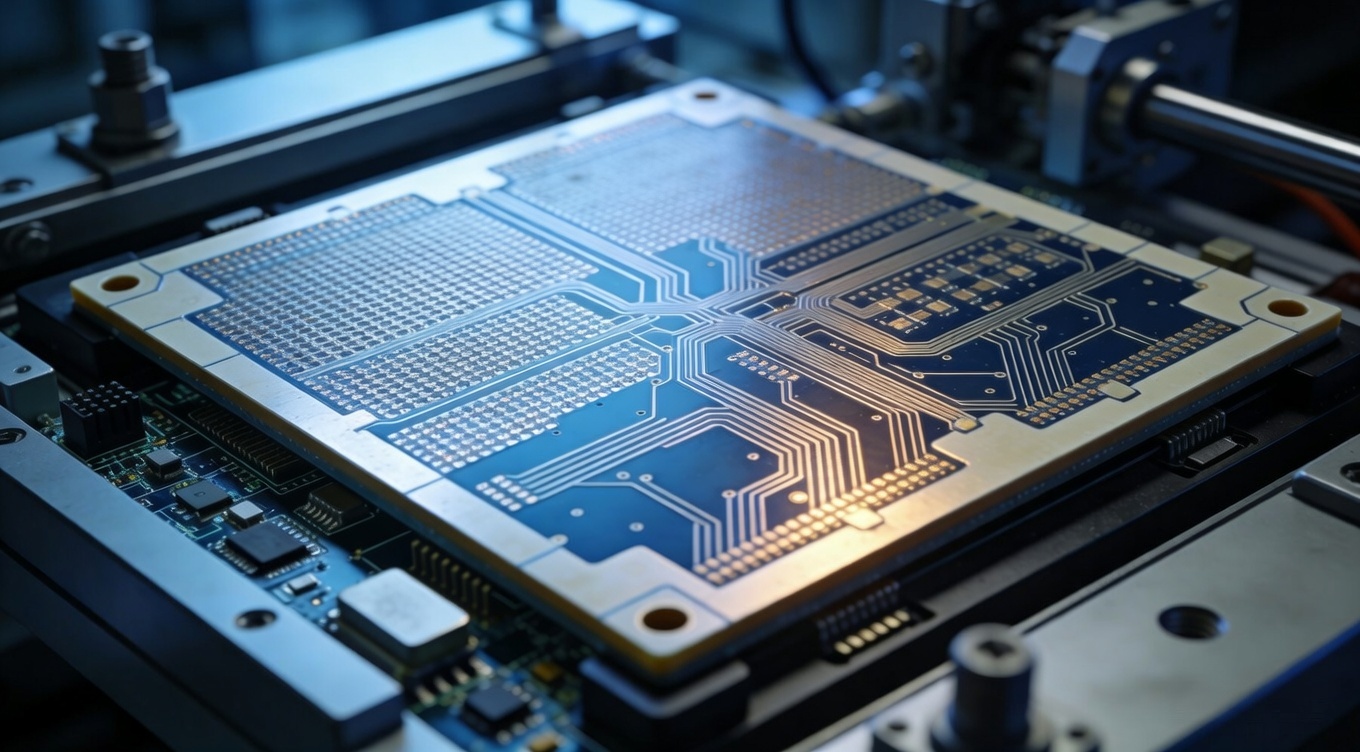
Industrial Automation and Power Control
Ceramic PCBs are widely used in motor drives, power converters, and industrial sensors, where temperature fluctuations and long operating cycles are unavoidable.
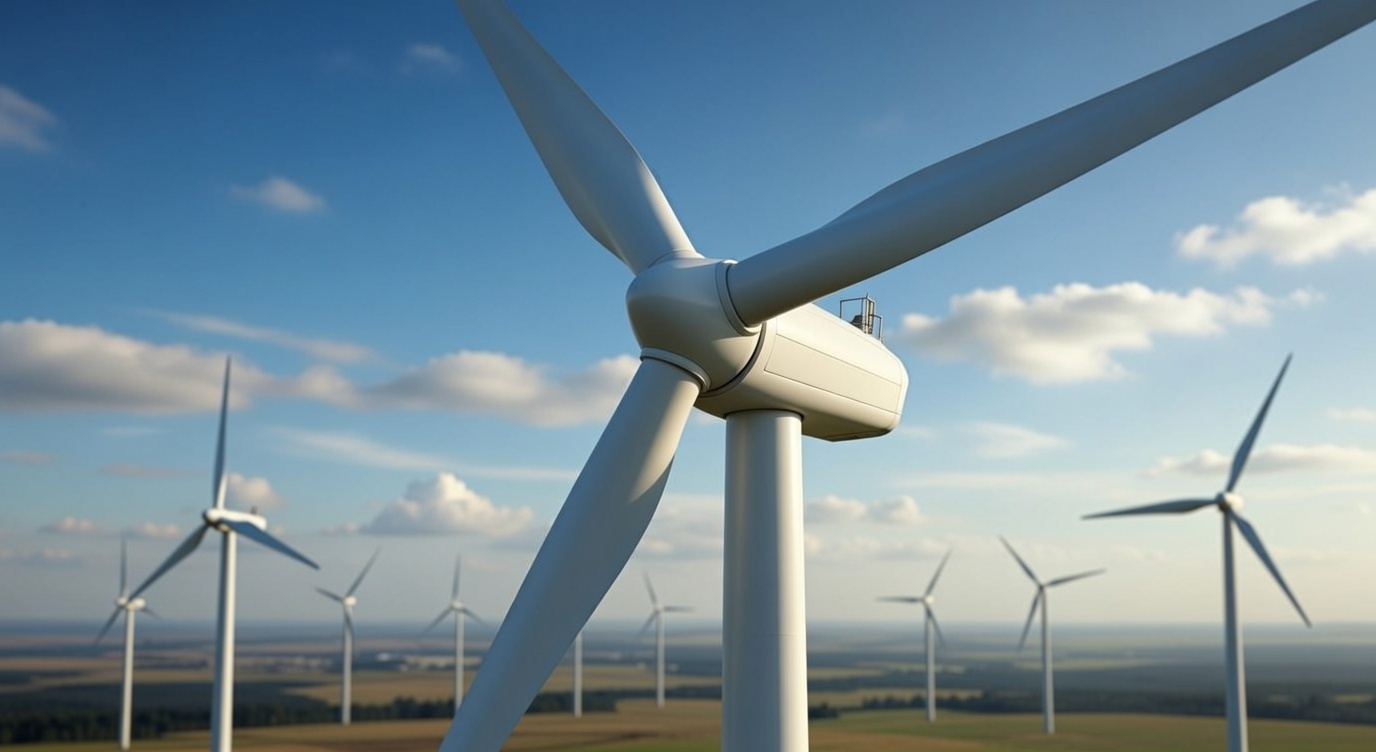
Energy and Power Infrastructure
In renewable energy systems, ceramic PCBs ensure stable performance in inverters, power modules, and grid-control electronics.
Automotive and Heavy Transportation
Electric vehicles, rail systems, and heavy machinery rely on LTCC and HTCC PCBs for control units exposed to continuous thermal stress.
Defense and Aerospace
Mission-critical electronics demand materials that can withstand extreme temperatures, vibration, and long service life—conditions where ceramic PCBs outperform organic alternatives.
LTCC vs HTCC PCB: Performance Comparison
| Feature | LTCC PCB | HTCC PCB |
|---|---|---|
| Firing Temperature | ~850°C | >1600°C |
| Typical Conductors | Ag, Cu | W, Mo |
| Mechanical Strength | Medium | Very High |
| Application Focus | Compact modules | High power & harsh environments |
Material Choices: Alumina and Aluminum Nitride
Alumina ceramic PCBs offer a cost-effective solution for most high-temperature applications, while aluminum nitride ceramic PCBs provide exceptional thermal conductivity for power electronics requiring rapid heat dissipation.
Manufacturing Challenges and Design Considerations
Precision in line width and line spacing, multilayer alignment, and thermal expansion matching is critical. Advanced ceramic PCB manufacturers perform reliability testing to ensure long-term performance in industrial conditions.
Why High-Temperature Ceramic PCBs Matter for Ukraine’s Industrial Market
Ukraine’s industrial, energy, and infrastructure sectors increasingly demand durable electronic solutions. High-temperature resistant ceramic PCBs help reduce system failures, maintenance costs, and downtime—key factors for industrial recovery and modernization.
BST Ceramic PCB: Proven Expertise in LTCC & HTCC Manufacturing
BST Ceramic PCB specializes in LTCC and HTCC PCB design, prototyping, and mass production, supporting global industrial clients with consistent quality and engineering support.
All products undergo strict quality control aligned with international standards, ensuring reliable performance in high-temperature applications.
How to Select the Right High-Temperature Ceramic PCB Supplier
Industrial buyers should evaluate suppliers based on:
- Proven LTCC and HTCC manufacturing experience
- Material traceability and testing capability
- Engineering support and design-for-manufacturing expertise
Choosing the right partner directly impacts system reliability and lifecycle cost.
 Products
 About us
 Contact us