







































 HOME
HOME


-

Ceramic PCB for Humanoid Robot joint actuators
2026 04,07 -
LTCC PCB Surprises: What Most People Miss
2025 12,09 -
Step-by-Step Guide to DPC PCB Design for Sensor Systems
2025 12,03 -
Ceramic PCBs Essential Benefits and Applications
2025 12,01 -
How Al2O3 DPC Ceramic Substrate PCB Enhances Heat Dissipation in Modern Electronics?
2025 11,28 -
How to Choose Between Ceramic, FR4, and Metal Core PCBs
2025 11,27 -
DPC Ceramic PCB Materials: Surprising Science Inside
2025 11,26 -
Wire bondable 2-layer Alumina substrates PCB | Bstceramic PCB
2025 09,22 -
Silicon Nitride Substrate, Silicon Nitride Ceramic Substrate Formula
2025 05,08 -
What is thick film ceramic PCB?
2023 08,02
Alumina Sheet Price — What Determines Cost and How to Reduce Procurement Risk?
Published:
Alumina sheet price is often misunderstood because many buyers compare numbers without fully understanding what is included in the material specification. Two alumina sheets may look similar on paper, yet their pricing can differ significantly due to purity level, dimensional tolerance, or secondary processing.
This guide explains how alumina sheet price is calculated, what technical factors influence quotations, and how beginners can make smarter purchasing decisions without unnecessary spending. If you are sourcing ceramic substrates for electronics, sensors, or thermal modules, understanding alumina sheet price early can help avoid redesign costs and production delays.
What Is Alumina Sheet Price and Why Do Engineers Care About It?
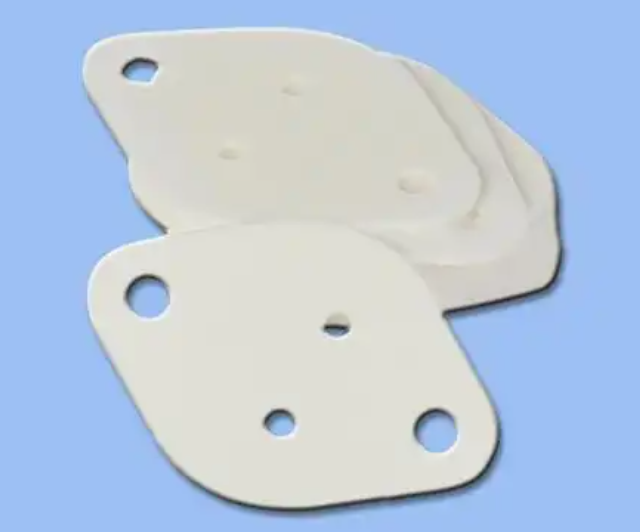
The quickest answer is that alumina sheet price reflects both raw ceramic value and engineering complexity. Unlike metal sheets, alumina is sintered at high temperature, which introduces shrinkage, warpage risk, and yield challenges. These manufacturing realities directly affect pricing.
From a design perspective, alumina sheets are widely used because they offer strong electrical insulation, stable mechanical strength, and good thermal conductivity. Many engineers choose alumina as a baseline material when cost control matters. However, selecting the wrong grade or requesting unnecessary finishing processes can increase alumina sheet price without improving performance.
Another important aspect is reliability. Lower-priced material may lack consistent density or flatness, which can lead to assembly defects later. Therefore, experienced engineers evaluate price together with supplier capability rather than focusing on cost alone.
How Much Does Alumina Sheet Price Usually Cost in Real Projects?
There is no single universal number for alumina sheet price because each application has different requirements. Instead, engineers often categorize pricing into tiers based on purity and processing level.
|
Alumina Grade |
Thickness Range |
Typical Price Level |
Application Examples |
|
96% Alumina |
0.25–2.0mm |
Economical |
LED modules, power substrates |
|
99% Alumina |
0.3–1.5mm |
Medium |
RF electronics, sensor carriers |
|
99.6% Alumina |
0.25–1.0mm |
Higher |
Precision instrumentation |
|
Polished Alumina |
Any |
Premium |
Optical or medical components |
For beginners, it is helpful to remember that material cost is only part of the quotation. Grinding, inspection, and packaging standards often represent a large percentage of alumina sheet price.
What Are the Biggest Factors That Influence Alumina Sheet Price?
The most influential variable is material purity. Higher alumina content requires stricter powder control and longer sintering cycles. While higher purity improves dielectric properties, many industrial designs do not need it.
Another factor is thickness uniformity. Thin substrates require advanced handling to prevent cracking during furnace processing. This raises manufacturing difficulty and therefore increases alumina sheet price.
Surface condition also plays a role. As-fired surfaces are the most economical, while lapped or polished finishes demand additional processing steps. Designers sometimes request polishing for cosmetic reasons, but this rarely improves electrical performance.
Finally, machining requirements such as laser drilling or metallization can transform a simple sheet into a complex semi-finished component. Once these processes are added, alumina sheet price shifts from raw material cost toward engineering service cost.
Does Size, Shape, and Panel Layout Change Alumina Sheet Price?
Yes, panel layout efficiency strongly affects cost. Ceramic furnaces operate most efficiently when panels match standard loading sizes. Custom dimensions may reduce furnace utilization, increasing price per piece.
Large thin panels also introduce warpage risk during cooling. To maintain flatness, manufacturers may need additional support fixtures or slower cooling profiles. These adjustments increase production time, which directly impacts alumina sheet price.
Designers can often reduce cost by aligning layouts with standard panel dimensions instead of requesting unique shapes. Even small changes to board geometry can lead to noticeable savings in large-volume production.
96% vs 99% Alumina Sheet Price — Which Option Makes More Sense?
Many beginners assume higher purity automatically means better performance. In practice, 96% alumina already provides strong electrical insulation and sufficient thermal stability for most power electronics applications.
|
Feature |
96% Alumina |
99% Alumina |
|
Cost Efficiency |
High |
Medium |
|
Mechanical Strength |
Stable |
Slightly Higher |
|
Thermal Performance |
Good |
Improved |
|
Typical Applications |
Industrial electronics |
High-frequency modules |
Choosing higher purity should be based on specific performance requirements rather than general assumptions. Over-specifying material grade is one of the most common reasons alumina sheet price increases unnecessarily.
Why Do Alumina Sheet Prices Differ Between Manufacturers?
Pricing differences are often linked to manufacturing structure rather than geographic location. Suppliers with integrated sintering lines can control yield and process stability more effectively.
Engineering support also influences price perception. Some manufacturers include design consultation and process optimization within their quotation. While the initial alumina sheet price may appear slightly higher, total project cost can be lower due to reduced iteration cycles.
Consistency is another important factor. Reliable suppliers invest heavily in inspection equipment and process control, which ensures batch-to-batch uniformity. For electronics manufacturing, this consistency often matters more than the lowest possible price.
How Can You Reduce Alumina Sheet Price Without Compromising Reliability?
Cost optimization usually starts at the design stage. Standardizing thickness, minimizing unnecessary machining, and combining multiple parts into a single panel can significantly reduce cost.
Another practical approach is to plan procurement schedules in advance. Flexible lead times allow suppliers to consolidate production batches, improving furnace efficiency and lowering alumina sheet price.
Communication also plays a key role. Providing detailed drawings and clear tolerance requirements helps suppliers avoid conservative assumptions that inflate quotations.
Alumina Sheet Price Compared with Other Ceramic Materials
When compared with alternative ceramics, alumina remains one of the most balanced materials in terms of cost and performance.
|
Material |
Relative Price |
Thermal Conductivity |
Application Scope |
|
Alumina |
Moderate |
Stable |
General electronics |
|
Aluminum Nitride |
High |
Excellent |
High-power modules |
|
Silicon Nitride |
High |
Strong mechanical properties |
Automotive systems |
For many engineers, alumina offers sufficient performance without the higher price associated with advanced ceramics. This is one reason alumina sheet price continues to attract designers in industrial electronics and thermal management applications.
What Information Should You Prepare Before Asking for Alumina Sheet Price?
Providing complete technical data ensures faster and more accurate quotations. At minimum, designers should include:
- Purity level and material grade
- Thickness and dimensional tolerance
- Surface finish requirement
- Quantity and delivery schedule
- Any metallization or drilling processes
Clear communication reduces back-and-forth revisions and helps suppliers optimize production planning.
FAQs
What is the typical alumina sheet price for small prototype quantities?
Prototype orders usually have higher unit cost because setup time and furnace loading remain constant regardless of quantity. Larger batches typically reduce overall pricing.
Does thinner material always reduce alumina sheet price?
Not always. Extremely thin sheets require more precise handling and inspection, which may increase manufacturing complexity.
Is high-purity alumina always worth the extra cost?
Only when specific electrical or thermal performance is required. Many industrial applications function perfectly with standard grades.
Why do quotations vary even with similar specifications?
Differences may come from inspection level, packaging standards, or supplier process capability rather than material itself.
How can beginners estimate alumina sheet price before contacting a supplier?
Review application requirements first, define material purity and thickness, and compare with standard industry ranges to set realistic expectations.
Why Choose Bstceramic for Reliable Alumina Sheet Price and Ceramic PCB Manufacturing Support?
Understanding alumina sheet price is not only about comparing numbers but also about ensuring engineering compatibility and production stability. Bstceramic focuses on providing structured technical consultation, stable material sourcing, and consistent manufacturing processes that align with real-world electronics applications.
If you are looking for dependable alumina sheet price solutions backed by professional engineering support, Bstceramic is ready to assist. We provide alumina sheet products designed for performance and long-term reliability. For project discussions or quotations, contact our team at sales@bstceramicpcb.com and start your next ceramic project with confidence.
 Products
 About us
 Contact us