
































 HOME
HOME

-

Ceramic PCB for LED Lighting in Colombia
2026 02,06 -
Ceramic PCB Linewidth and Line Spacing
2026 02,06 -
Ceramic PCB Development: Engineering Resilience for the UK's High-Tech Future
2026 01,30 -
Ceramic PCB for Power Modules (IGBT) in Australia — Technical Standards, Thermal Solutions, and Supplier Strategy
2026 01,23 -
Automotive-grade Aluminum Nitride Substrate in Europe — Technical Specifications, Applications, and Supplier Selection
2026 01,23 -
Ceramic PCB Solutions in Sweden: Technical Requirements, Industry Applications, and Supplier Selection Strategy
2026 01,21 -
Ceramic Substrate Custom Solutions for Poland’s High-Tech Sectors: Engineering Precision & Thermal Efficiency
2026 01,20 -
High-Temperature Resistant Ceramic PCB Solutions for Industrial LTCC and HTCC Applications
2026 01,15 -
Ceramic Circuit Board Design for the UK Electronics Industry
2026 01,13 -
BST Ceramic PCB Expands Small Batch Ceramic PCB Manufacturing Support for Swiss High-Precision Electronics
2026 01,13 -
Aluminum Nitride (AlN) Circuit Boards: Revolutionizing Thermal Management in UK Energy Storage Systems
2026 01,10 -
Top Tips for Advanced Semiconductor Packaging Substrate Design
2026 01,05 -
Automotive electronic ceramic circuits make cars smarter and safer
2026 01,05 -
The Ultimate Guide to Ceramic PCB Air Tightness: Ensuring Hermetic Reliability for High-Performance Electronics in North America
2025 12,29 -
Ceramic PCB for Power Modules (IGBT): The Ultimate High-Thermal Management Guide
2025 12,27 -
Ceramic Substrate or Aluminum PCB for High-Power LEDs
2025 12,24 -
The Ultimate Guide to Alumina Circuit Board (Al2O3): High-Performance Ceramic PCB Solutions for Global Electronics
2025 12,22 -
DBC Welding Strength Compared to Other Materials
2025 12,19 -
LTCC PCB Surprises: What Most People Miss
2025 12,09 -
Comparison of DBC PCBs and MCPCBs for Cooling Performance
2025 12,03 -
Step-by-Step Guide to DPC PCB Design for Sensor Systems
2025 12,03 -
Ceramic PCBs Essential Benefits and Applications
2025 12,01 -
How Al2O3 DPC Ceramic Substrate PCB Enhances Heat Dissipation in Modern Electronics?
2025 11,28 -
How to Choose Between Ceramic, FR4, and Metal Core PCBs
2025 11,27 -
DPC Ceramic PCB Materials: Surprising Science Inside
2025 11,26 -
Wire bondable 2-layer Alumina substrates PCB | Bstceramic PCB
2025 09,22 -
Silicon Nitride Substrate, Silicon Nitride Ceramic Substrate Formula
2025 05,08 -
How to choose the appropriate substrate for ceramic circuit boards?
2023 11,16 -
Laser Cutting or Water Saw Cutting? How To Choose the Best Cutting Solution for Ceramic Circuit Boards
2023 11,13 -
Why Ceramic PCB Is So Expensive?
2023 11,10 -
Which Process Ceramic Circuit Board Is A Better Solution For Semiconductor Refrigerator Chips?
2023 11,06 -
Silicon Printing Circuit Boards For Advancing Electronics
2023 10,27 -
What is the Difference Between HTCC and LTCC Ceramic PCB
2023 10,06 -
What is the Difference Between 96% and 99% Aluminum Oxide in Ceramic PCBs?
2023 09,20 -
Why thick film ceramic PCB is good for oil level sensor in automotive industry?
2023 08,25 -
Statistical analysis of ceramic PCB application fields
2023 08,16 -
Notice of anti-static requirements for PCBA processing and production
2023 08,16 -
Silver Paste: The Best Conductor Material for Via Holes in Thick Film Ceramic Boards
2023 08,16 -
Testing Circuit Board Ceramic Diode Fuses: A Complete Guide
2023 08,07 -
Why DBC is replaced by DPC in ceramic PCB manufacturing?
2023 08,01 -
What is thick film ceramic PCB?
2023 08,02
What Is a DBC Ceramic PCB and How Does Direct Bonded Copper Technology Work?
DBC ceramic PCB technology has become a preferred solution for high-power electronic applications where thermal reliability, electrical insulation, and mechanical strength must work together. Unlike conventional laminates, DBC structures combine copper and ceramic through a direct bonding process that creates an exceptionally stable interface. Engineers working on EV inverters, IGBT modules, or high-current power devices often choose DBC substrates when heat density and electrical performance exceed the limits of standard materials.
In this article, you will learn how DBC ceramic PCB works, which materials are commonly used, how the manufacturing process is structured, and what design considerations influence performance and cost. The goal is to provide a clear engineering perspective so readers can evaluate DBC technology with confidence before moving into real production.
What Is a DBC Ceramic PCB and How Does Direct Bonded Copper Technology Work?
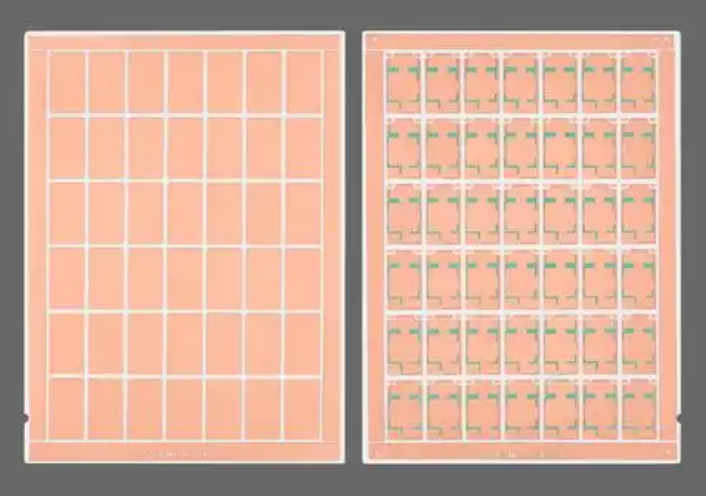
A DBC ceramic PCB is a copper-ceramic substrate created by bonding pure copper foil directly onto a ceramic surface at high temperature. During this process, copper oxidizes slightly and forms a eutectic layer that chemically bonds to the ceramic base. This differs from plated or laminated structures because the bond is metallurgical rather than adhesive.
The direct bonding mechanism provides several engineering advantages:
- Extremely strong copper adhesion to ceramic
- High thermal conductivity across the interface
- Low thermal resistance compared to plated copper
- Excellent dimensional stability under temperature cycling
Because the copper layer is thick and mechanically robust, DBC boards are often used as both circuit substrate and heat spreader within power modules.
Why Is DBC Ceramic PCB Used in High-Power Electronics Instead of FR-4?
FR-4 remains common for signal and control boards, but high-power systems introduce challenges that organic substrates cannot easily handle. As current density rises, the ability to dissipate heat becomes critical.
DBC ceramic PCB offers several benefits compared with FR-4:
- Much higher thermal conductivity
- Minimal coefficient of thermal expansion mismatch with semiconductor dies
- Superior insulation performance at elevated temperature
- Greater long-term reliability in harsh environments
In applications such as traction inverters or motor drives, engineers often transition from FR-4 to ceramic when thermal hotspots begin limiting design margins.
What Materials Are Used in DBC Ceramic PCB?
Material selection directly affects thermal performance, mechanical strength, and overall cost. The most common ceramic bases used in DBC construction include alumina (Al₂O₃), aluminum nitride (AlN), and silicon nitride (Si₃N₄).
Al₂O₃ (Alumina)
Widely used due to its stable insulation properties and cost efficiency. Typical thermal conductivity ranges around 24 W/m·K. Suitable for moderate power density applications.
AlN (Aluminum Nitride)
Offers significantly higher thermal conductivity, often exceeding 170 W/m·K. Ideal for high-frequency power modules or LED drivers requiring rapid heat spreading.
Si₃N₄ (Silicon Nitride)
Known for exceptional mechanical toughness and thermal shock resistance. Frequently chosen for automotive and EV modules where vibration and reliability are critical.
Choosing between these materials requires balancing thermal requirements, mechanical stress tolerance, and budget constraints.
How Does the Manufacturing Process of DBC Ceramic PCB Work Step by Step?
The production flow of DBC ceramic PCB combines ceramic processing with copper patterning techniques. While details vary between manufacturers, the general process includes:
- Ceramic substrate preparation and surface treatment
- Oxidation of copper foil to enable eutectic bonding
- High-temperature bonding of copper to ceramic
- Photolithography and etching to form circuit patterns
- Surface finishing such as ENIG or silver plating
- Final inspection and electrical testing
Because the copper layer is thick, etching parameters and line definition require precise control. Process stability strongly influences yield, especially when designing narrow traces or heavy copper layouts.
Key Advantages of DBC Ceramic PCB
Thermal performance is one of the main reasons engineers adopt DBC substrates. The ceramic base acts as an insulator while the bonded copper spreads heat efficiently across the board.
Key thermal advantages include:
- Direct heat conduction from semiconductor die to copper plane
- Reduced thermal resistance compared with multilayer laminates
- High operating temperature capability
- Improved reliability during thermal cycling
These properties allow designers to reduce heatsink size or increase power density without compromising safety margins.
DBC Ceramic PCB vs AMB vs Thick Film Ceramic PCB — Which Is Better?
Different ceramic PCB technologies address different application needs. Understanding their differences helps engineers select the right platform.
|
Technology |
Copper Structure |
Typical Use Case |
Performance Focus |
|
DBC |
Bonded thick copper foil |
Power modules, EV inverters |
Thermal conduction + current handling |
|
AMB |
Active metal brazing |
Very high power density |
Strong metallurgical bonding |
|
Thick Film |
Printed conductor paste |
Sensors, low-power electronics |
Cost efficiency |
DBC is often considered the balanced choice, offering high reliability without the complexity of AMB processes.
What Copper Thickness and Current Capacity Can DBC Ceramic PCB Handle?
One of the defining features of DBC technology is its ability to support very thick copper layers. Common copper thickness ranges from 0.3 mm up to 0.8 mm or more depending on application requirements.
Higher copper thickness allows:
- Increased current carrying capability
- Reduced resistive losses
- Better heat spreading across power traces
However, thicker copper also influences etching tolerances and design spacing, so collaboration between design engineers and fabrication teams is essential.
Where Is DBC Ceramic PCB Commonly Used? EV, IGBT, and Power Modules
DBC ceramic PCB is widely used across industries that demand robust thermal performance and electrical reliability. Typical applications include:
- Electric vehicle inverter modules
- IGBT and MOSFET power stages
- Industrial motor drives
- Renewable energy converters
- High-power LED modules
These applications benefit from the ceramic substrate’s ability to maintain performance under high temperature and continuous load.
What Design Rules Should Engineers Follow When Designing a DBC Ceramic PCB?
Designing for DBC requires a different mindset compared with standard PCB layout. Engineers should consider several factors early in the design phase:
- Maintain wider trace spacing due to thick copper etching tolerances
- Optimize copper geometry to reduce thermal stress
- Avoid sharp internal corners that concentrate mechanical stress
- Plan die attach areas with uniform copper distribution
Thermal expansion matching between components and substrate is also critical. Early DFM collaboration helps reduce costly redesign cycles.
How Much Does DBC Ceramic PCB Cost and What Affects Pricing?
DBC substrates typically cost more than traditional FR-4 boards due to material and processing complexity. Key factors affecting pricing include:
- Ceramic material type (Al₂O₃ vs AlN vs Si₃N₄)
- Copper thickness
- Pattern complexity
- Surface finish requirements
- Production volume
Although initial cost may be higher, DBC solutions often reduce system-level expenses by improving reliability and minimizing cooling requirements.
How to Choose a Reliable DBC Ceramic PCB Manufacturer?
Selecting a manufacturing partner is crucial because DBC production requires specialized equipment and process control. Engineers should evaluate suppliers based on:
- Experience with ceramic bonding technology
- Capability in thick copper patterning
- Thermal simulation and DFM support
- Quality certifications and traceability systems
- Consistent supply chain for ceramic materials
A manufacturer with strong engineering collaboration can significantly reduce development risk and accelerate product validation.
FAQs
Is DBC ceramic PCB suitable for high-frequency applications?
Yes, especially when using AlN substrates with low dielectric loss. However, layout and impedance design remain important.
Can DBC ceramic PCB support multilayer structures?
Most DBC boards are single or double layer, but hybrid designs combining DBC with other substrates are possible.
What surface finishes are commonly used on DBC copper?
ENIG, ENEPIG, and silver plating are widely used depending on assembly requirements.
Is DBC better than metal core PCB?
For extreme thermal performance and high current density, DBC generally provides better reliability.
How thick can the copper layer be?
Depending on the supplier, copper thickness can exceed 800 µm, supporting very high current paths.
In Conclusion
If your project requires a professional solution for ceramic PCB manufacturing, Bstceramic Circuit provides engineering-driven support, experienced professional talents, and dedicated project coordinators who proactively assist from design review to mass production.
With strong expertise in Al₂O₃, AlN, and Si₃N₄ DBC fabrication, the team focuses on helping customers outdo traditional limitations and bring high-power products to market with confidence.
 Products
 About us
 Contact us