






































 HOME


-

Aluminum Nitride Thermal Conductivity vs Temperature
2026 10,21 -
Wire Bonding EPIG Thickness: Selecting Pd/Au for Ceramic Bond Pads
2026 10,19 -
When Does a Thin-Film Circuit Need a Polished Alumina Substrate?
2026 10,18 -
Ceramic PCB for Humanoid Robot joint actuators
2026 04,07 -
LTCC PCB Surprises: What Most People Miss
2025 12,09 -
Step-by-Step Guide to DPC PCB Design for Sensor Systems
2025 12,03 -
Ceramic PCBs Essential Benefits and Applications
2025 12,01 -
How Al2O3 DPC Ceramic Substrate PCB Enhances Heat Dissipation in Modern Electronics?
2025 11,28 -
How to Choose Between Ceramic, FR4, and Metal Core PCBs
2025 11,27 -
DPC Ceramic PCB Materials: Surprising Science Inside
2025 11,26 -
Wire bondable 2-layer Alumina substrates PCB | Bstceramic PCB
2025 09,22 -
Silicon Nitride Substrate, Silicon Nitride Ceramic Substrate Formula
2025 05,08 -
What is thick film ceramic PCB?
2023 08,02

-
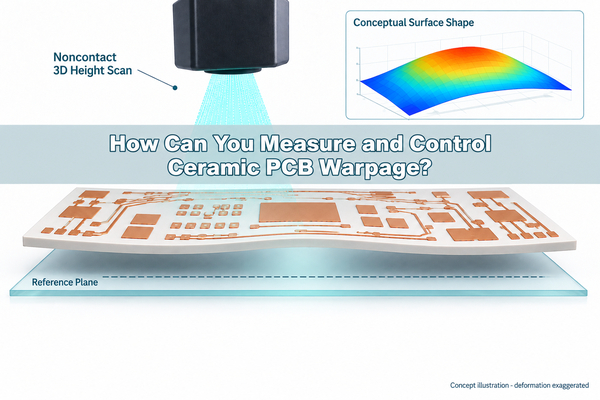
How Can You Measure and Control Ceramic PCB Warpage?
Measure ceramic PCB warpage under defined support and temperature conditions. Understand copper imbalance, assembly gaps and acceptance criteria. 2026-10-10 -
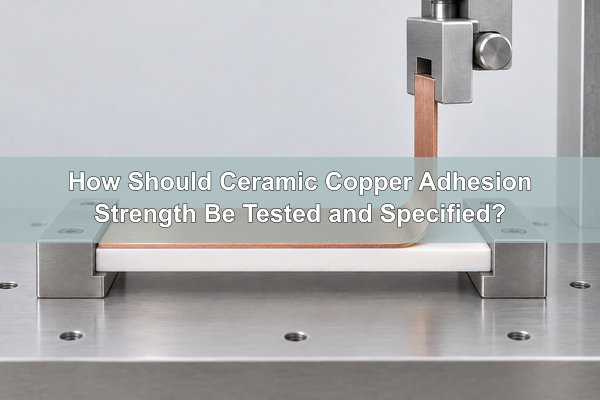
How Should Ceramic Copper Adhesion Strength Be Tested and Specified?
Learn how ceramic copper adhesion strength is measured for DBC, AMB, and DPC, why peel and pull data differ, and what drawings should specify. 2026-10-09 -
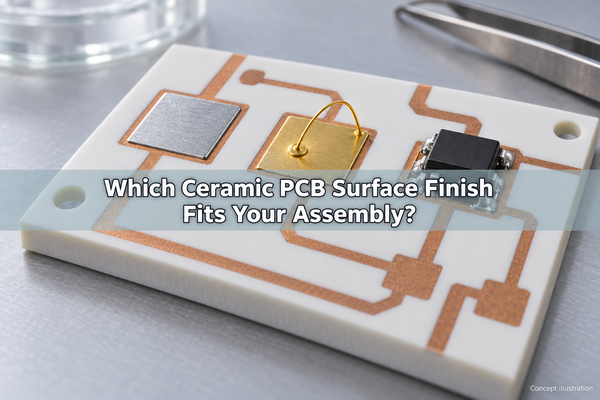
Which Ceramic PCB Surface Finish Fits Your Assembly?
Choose a ceramic PCB surface finish for soldering, wire bonding, or contacts. Compare finish options, pad regions, storage limits, and acceptance tests. 2026-10-09 -
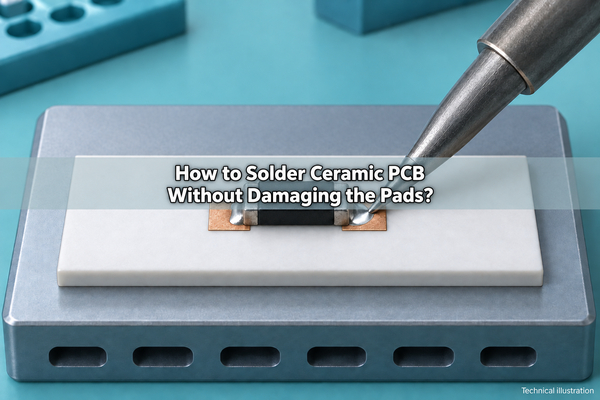
How to Solder Ceramic PCB Without Damaging the Pads?
Learn how to solder ceramic PCB assemblies with compatible pads, measured preheat, suitable alloys, and checks for wetting and pad damage. 2026-10-09 -
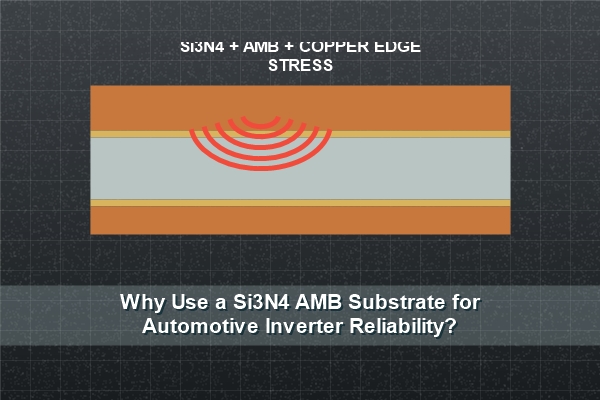
Why Use a Si3N4 AMB Substrate for Automotive Inverter Reliability?
Connect a Si3N4 AMB substrate for automotive inverter design with copper stress, braze quality and validation evidence. 2026-10-08 -
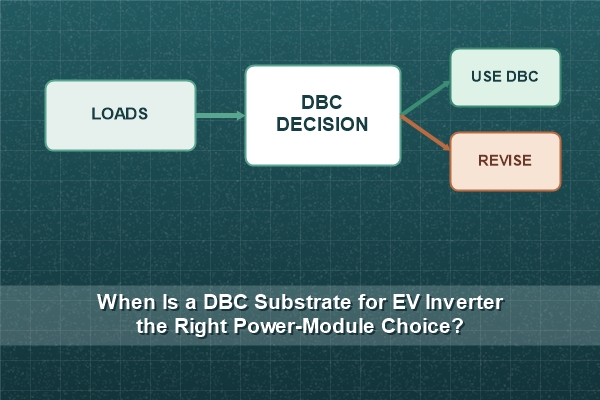
When Is a DBC Substrate for EV Inverter the Right Power-Module Choice?
Use thermal, electrical and lifetime evidence to decide whether a DBC substrate for EV inverter modules is the right choice. 2026-10-08 -
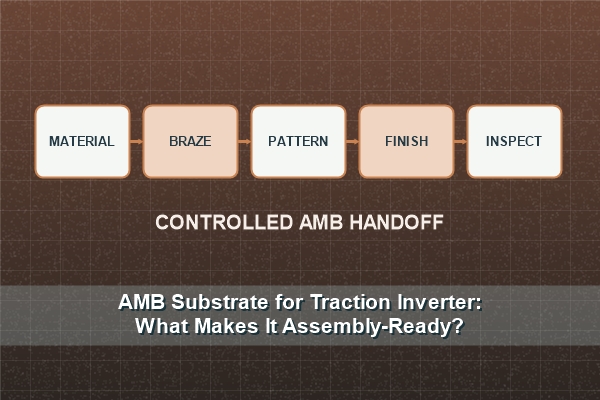
AMB Substrate for Traction Inverter: What Makes It Assembly-Ready?
Review the AMB substrate for traction inverter interfaces, geometry, finish and evidence required before module assembly. 2026-10-08 -
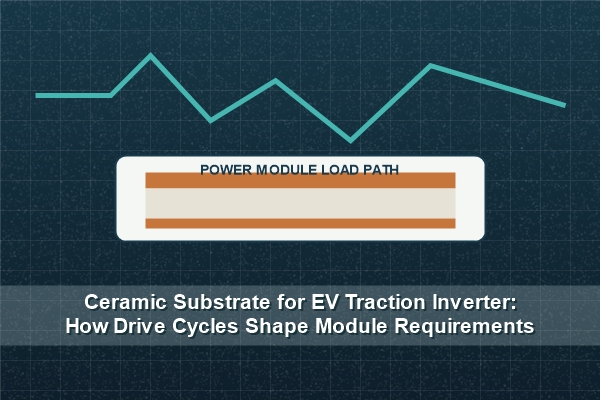
Ceramic Substrate for EV Traction Inverter: How Drive Cycles Shape Module Requirements
Learn how a ceramic substrate for EV traction inverter converts drive cycles into copper, insulation and validation requirements. 2026-10-08 -
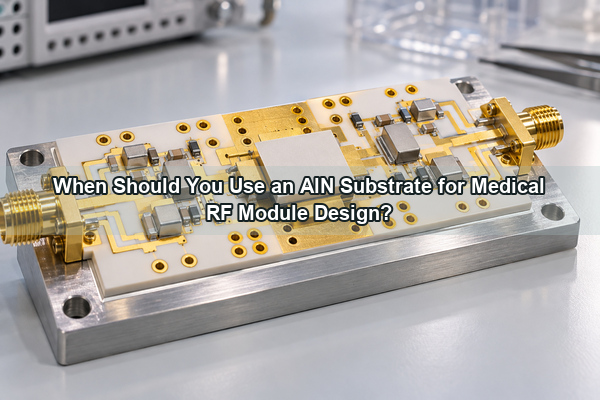
When Should You Use an AlN Substrate for Medical RF Module Design?
Learn when to use an AlN substrate for medical RF module design, including dielectric data, impedance, grounding, thermal paths and inspection. 2026-10-05
 Products
 About us
 Contact us